
Flowers
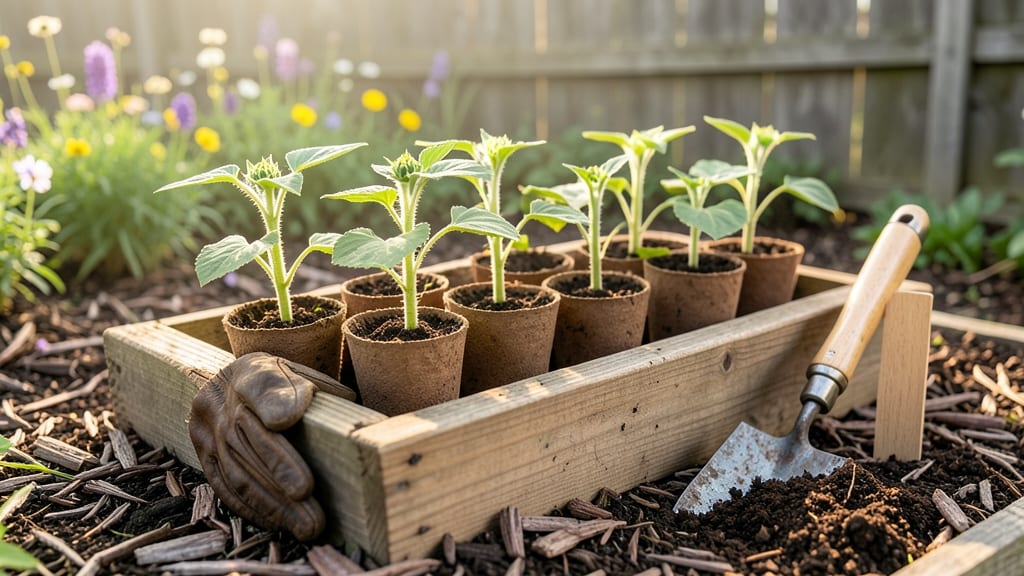
Plant sunflowers in Washington State between mid-April and early June after the last frost, when soil temperatures hit 55°F—the ideal window to catch 165 frost-free days and towering blooms.
Sunflowers thrive in Washington State’s long, sunny summers—but planting them too early or late can mean wilted dreams instead of towering blooms.
Timing is everything, and knowing your USDA zone (like 6b in Spokane or 9a in Yakima) could mean the difference between a stunning garden and a sad, frost-nipped failure.
Western WA’s cooler, wetter springs demand patience, while Eastern WA’s dry heat means faster growth. Whether you’re direct-sowing or transplanting, this guide breaks down the best times by region, soil prep tricks, and the top varieties for WA’s short-to-long growing seasons.
Ready to grow sunflowers that reach 10 feet or higher? You’ll learn exactly when to plant, how to adjust for rain or drought, and which dwarf or giant varieties will shine in your garden.
Washington State sunflower planting calendar by USDA Zone
Washington State’s diverse climate—from rain-soaked coastal valleys to hot, dry desert plateaus—means sunflower planting times vary dramatically. In USDA Zone 6b (Spokane, Wenatchee), you’ll plant later than in Zone 9a (Yakima, Walla Walla), where longer frost-free seasons allow earlier starts.
Even within Zone 7b (Seattle, Portland), microclimates near Puget Sound may delay planting by 2-3 weeks compared to inland areas.
Sunflowers are warm-season annuals that despise cold soil, so timing is critical. Direct sow seeds after your last frost date and when soil temperatures hit 55°F—usually mid-April in Eastern WA but early May in Western WA.
Transplants can handle slightly cooler soil, giving you a 2-week head start in Zones 7-8.
Here’s your region-specific planting guide, accounting for Washington’s 165-day frost-free windows and variable rainfall patterns:
| USDA Zone | Last Frost Date | Direct Sow Window | Transplant Window | Harvest Window | Notes |
|---|---|---|---|---|---|
| 6b (Spokane, Wenatchee) | May 1 - May 15 | May 15 - June 1 | April 20 - May 5 | July 20 - September 1 | Dry summers; water deeply |
| 7a (Olympia, Bellingham) | April 15 - April 30 | April 30 - May 15 | April 1 - April 15 | July 1 - August 15 | Wet springs; avoid soggy soil |
| 7b (Seattle, Portland) | April 1 - April 15 | May 1 - May 10 | April 10 - April 25 | July 15 - August 30 | Cooler nights; extend season |
| 8a (Yakima, Moses Lake) | March 20 - April 5 | April 15 - May 1 | March 25 - April 10 | June 20 - August 10 | Hot summers; mulch heavily |
| 9a (Walla Walla, Tri-Cities) | March 1 - March 15 | April 1 - April 15 | March 10 - March 25 | June 1 - July 20 | Early blooms; succession plant |
In Western WA’s wetter zones (7a-7b), prioritize well-draining soil to prevent fungal diseases like powdery mildew. Amend clay soils with compost or sand before planting.
For Eastern WA’s arid zones (8a-9a), focus on deep watering—sunflowers need 1-2 gallons per plant weekly once established, but drought-tolerant varieties like ‘Autumn Beauty’ thrive with less.
For high-altitude areas (e.g., Cascade foothills), delay planting until after May 15—cooler temperatures slow germination. If you’re eager to start earlier, use black plastic mulch to warm the soil 5-10°F faster than bare earth. This
How to adjust sunflower planting for Washington’s rainy vs. dry seasons
Washington’s climate throws two major curveballs at sunflower growers: Western WA’s soggy springs and Eastern WA’s bone-dry summers. Both can derail your sunflower dreams if you don’t adjust your planting strategy.
In the wet west, fungal diseases like powdery mildew thrive when seeds sit too long in damp soil, while Eastern WA’s intense heat can stress young plants before they even bloom.
Your first move? Test your soil moisture before planting. Stick your finger 2 inches deep—if it’s still damp after a week of dry weather, wait.
In Western WA, aim for late May planting when rains typically taper off, while Eastern WA gardeners can start as early as mid-April to beat the summer drought. The key is matching your timing to your local microclimate.
Western WA (Rainy Season Adjustments)
Pros:
- Natural watering reduces summer irrigation needs
- Cooler springs delay fungal pressure
- Longer growing season in coastal areas
Cons:
- Slow soil warming delays germination
- Fungal risks from prolonged moisture
- Cloud cover limits early-season sun
Solutions:
- Plant after May 15 when rains ease
- Use raised beds for faster warming
- Choose disease-resistant varieties like 'Moulin Rouge'
Tools:
- Soil thermometer
- Fungal spray (neem oil)
- Clear plastic mulch
Eastern WA (Dry Season Adjustments)
Pros:
- Hotter summers speed up growth
- Lower humidity reduces fungal issues
- Longer daylight boosts flowering
Cons:
- Summer drought stresses young plants
- Quick soil drying halts germination
- Wind exposure in open areas
Solutions:
- Plant by April 15 before heat peaks
- Use mulch heavily to retain moisture
- Select drought-tolerant varieties like 'ProCut'
Tools:
- Drip irrigation system
- Windbreak barriers
- Moisture meter
For Cascade Mountain gardeners, extend your season by planting low-altitude varieties like 'Teddy Bear' in protected microclimates. These dwarf varieties (3-4 feet tall) tolerate cooler temps and shorter growing seasons. In Western WA’s Puget Sound, choose late-season varieties like 'Autumn Beauty' that handle cooler temps better.
Soil prep makes all the difference. In dry Eastern WA, mix compost and sand to improve drainage, while Western WA gardeners should focus on amending clay soils with organic matter to prevent waterlogging.
Both regions benefit from adding phosphorus-rich fertilizer at planting to encourage strong root development before the real growing season begins.
Remember: Sunflowers hate wet feet. If your area gets consistent afternoon rain, plant on elevated beds or use plastic mulch to keep seeds dry.
And always water at the base—never overhead—to prevent fungal spores from splashing onto leaves. With these adjustments, you’ll turn Washington’s weather challenges into sunflower-growing advantages.
🌱