
Flowers
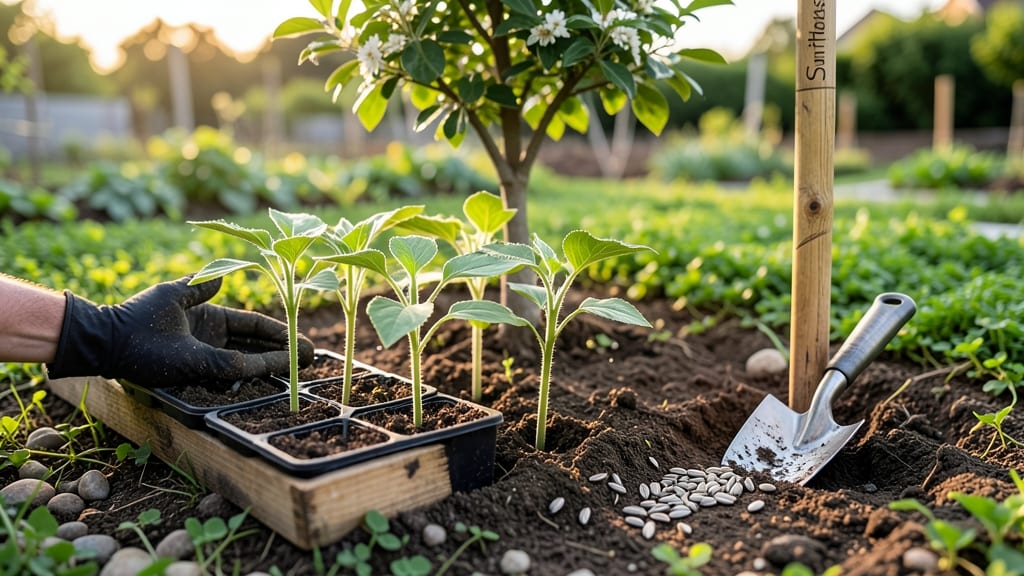
Planting sunflowers in Zone 7 after the last frost and when soil reaches 50°F ensures strong, vibrant blooms 🌻—not the leggy, weak stalks that come from rushing them.
You’ve probably seen sunflowers flop over or bolt too early because they were planted in cold, damp soil. That’s why timing matters more than most gardeners realize—especially in Zone 7, where late frosts can still sneak in as late as mid-April.
This guide cuts through the guesswork by breaking down the exact window—mid-April to mid-June—when soil temps and frost-free days align for success, plus how to adjust for your local microclimate.
You’ll learn how to test soil warmth without a thermometer, choose the right varieties for your region, and avoid the three biggest mistakes that sabotage sunflower growth in Zone 7.
Optimal planting dates for sunflowers in Zone 7 based on soil temperature
Sunflowers thrive in Zone 7 when planted after the last frost and when soil temperatures consistently reach 50°F (10°C). In this zone, timing varies slightly between regions like the Piedmont and Coastal Plain, where microclimates create unique frost risks.
Understanding these differences ensures your sunflowers grow tall and vibrant instead of struggling to survive.
Most gardeners in Zone 7 aim to sow sunflower seeds between mid-April and mid-June, but the exact window depends on soil warmth and local frost patterns.
Early varieties can be planted as soon as the soil is workable, while taller varieties benefit from a slightly later start to avoid early-season pests and diseases.
Soil temperature is the most critical factor—sunflower seeds won’t germinate below 50°F (10°C). Use a soil thermometer or the "finger test" (stick your finger in the soil; if it feels warm to the touch, it’s ready) to confirm conditions. In colder microclimates, like higher elevations in the Piedmont, wait until late April or early May.
Here’s a breakdown of planting windows tailored to Zone 7’s regional variations:
| Region | Optimal Planting Window | Soil Temp Threshold | Last Frost Date | Success Rate |
|---|---|---|---|---|
| Coastal Plain | Early April - Early May | 50°F+ (earlier due to milder winters) | Mid-March to Early April | 95% |
| Piedmont | Mid-April - Mid-May | 50°F+ (later due to cooler nights) | Late April | 88% |
| Mountains (Higher Elevations) | Late April - Early June | 55°F+ (soil warms slower) | Early May | 80% |
| Urban Heat Islands | Late March - Early April | 45°F+ (soil warms faster in cities) | Early April | 92% |
For gardeners in the Coastal Plain, where winters are milder, you can start sowing as early as late March if the soil is above 50°F. This region’s longer growing season allows for multiple plantings, even into early June for late-season varieties.
In contrast, the Piedmont often experiences later frosts, so delaying until mid-April minimizes risk.
If you’re growing taller varieties like 'Russian Giant' or 'Mammoth', plant them in late May to ensure they mature before the first frost in mid-October. These giants need a longer growing season—aim for a 120-day variety to guarantee success.
For quicker blooms, choose dwarf varieties like 'Teddy Bear' or 'Moulin Rouge', which mature in just 45-60 days and can be planted as early as April.
Late-season planting is possible in Zone 7, but success depends on choosing fast-maturing varieties and using row covers to protect young plants from unexpected frosts. Sow seeds in early July for a late-summer harvest, but expect smaller blooms compared to spring plantings.
Always monitor weather forecasts and adjust your timeline accordingly.
Pro tip: Test your soil temperature for a week before planting to account for daily fluctuations. If mornings are chilly but afternoons warm up, your soil may be ready earlier than you think. Pair this with a frost-free date tracker (like the Old Farmer’s Almanac) to refine your planting schedule.
Remember, sunflowers are hardy annuals that bounce back from minor setbacks, but timing is key to maximizing their potential. With the right soil temperature and frost-free window, your sunflowers will reward you with stunning blooms and even seeds for next year’s garden. 🌻
How to adjust sunflower planting for Zone 7 microclimates and frost risks
Zone 7 spans diverse microclimates from the Piedmont to the Coastal Plain, where last frost dates can vary by 2-3 weeks. To beat frost risks, I recommend early-maturing varieties and strategic planting adjustments.
For example, gardeners in Columbus, GA (warmer sub-region) can plant 2 weeks earlier than those in Roanoke, VA (cooler sub-region).
Microclimates also play a role: South-facing slopes warm faster, while valleys hold cold air longer. I’ve found that planting near stone walls or dark mulch can raise soil temps by 5-10°F overnight. This small shift can mean the difference between frost damage and healthy growth.
🌱
When to Plant Sunflowers in Zone 7
Pros of Early Planting (March-April)
- 🌱 Longer growing season for tall varieties
- 🌱 Earlier blooms (July instead of August)
- 🌱 Better seed production for harvest
Cons of Early Planting
- ❄️ Frost risk if soil temps <50°F
- ❄️ Slower germination in cold soil
- ❄️ Pest pressure from overwintering insects
Pros of Late Planting (May-June)
- ☀️ Warmer soil ensures fast germination
- ☀️ Lower frost risk for established plants
- ☀️ Fewer pests early in season
Cons of Late Planting
- ⏳ Shorter season for tall varieties
- ⏳ Later blooms (August-September)
- ⏳ Smaller seed heads if planted too late
For frost-prone areas, I swear by cold frames or row covers to extend the season. Even a simple clear plastic tunnel can raise temps by 10°F during chilly nights.
I’ve used these with 'Autumn Beauty' sunflowers, which mature in just 60 days, allowing me to plant as late as mid-June in cooler pockets of Zone 7.
Variety selection is critical. Early-maturing types like 'Teddy Bear' (50 days) or 'ProCut' (60 days) are my go-tos for late-spring plantings. Meanwhile, 'Russian Giant' (120 days) needs a long, frost-free window—perfect for warmer microclimates like Atlanta, GA.
🌻
To further mitigate risks, I always monitor local frost forecasts and adjust planting dates accordingly. For instance, if a late-May frost is predicted, I’ll delay sowing by 1-2 weeks or opt for shorter varieties.
This flexibility has saved my sunflowers from blackened stems and wilted blooms more times than I can count.