
Flowers
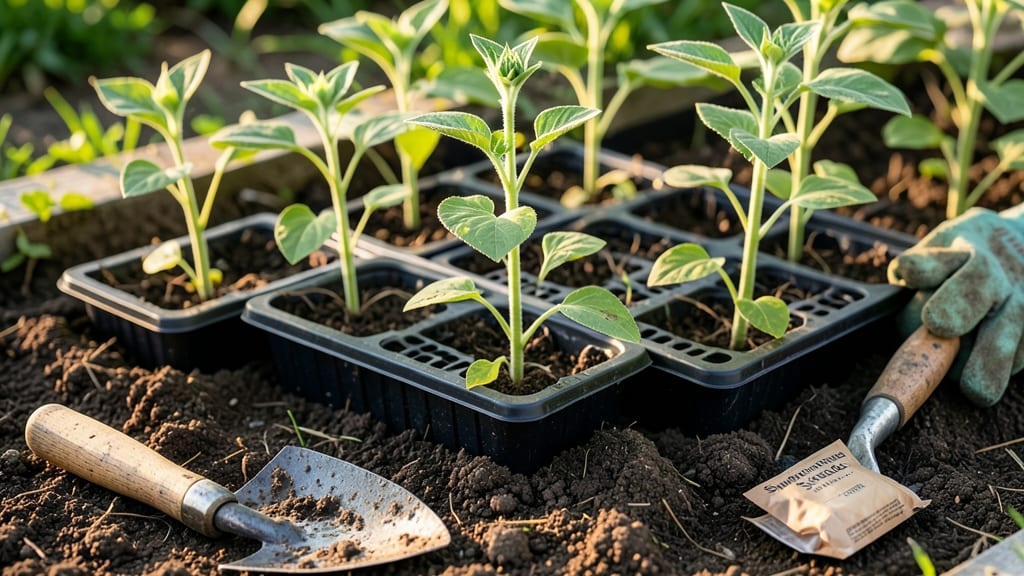
Planting sunflowers in Zone 9 at the right time means avoiding the brutal summer heat that can turn your 🌻 into a sad, wilted stalk.
Most gardeners in Zone 9 assume spring is the only option, but the truth is, the best windows are actually late winter or early spring—before temperatures climb past 90°F.
Here’s the breakdown: sow seeds in February or March for a head start, or try a late summer planting if you’ve got heat-tolerant varieties. I’ll show you how to pick the right types and prep your soil to beat the desert climate.
You’ll also learn how to stretch your growing season with succession planting, so you’re not stuck with one shot at sunflowers—or watching them bolt in the heat.
Best planting times for sunflowers in Zone 9: avoiding summer heat stress
In Zone 9, where summer temperatures can soar to 110°F+, planting sunflowers at the wrong time means struggling with heat stress before they even bloom. The key is timing your planting to align with cooler months while avoiding frost risk.
Unlike cooler climates, Zone 9 gardeners have two prime windows: late winter and early spring, with a fall option for second crops.
Most sunflowers thrive when soil temperatures reach 55-65°F, which in Zone 9 typically occurs in February or March. However, coastal areas may experience cooler microclimates, allowing earlier plantings.
To calculate your frost-free dates, check local weather records—most Zone 9 regions have no frost risk after January 15, but inland areas may experience light frosts until February 15.
Here’s the breakdown of your three best planting windows in Zone 9, including germination rates and flowering success:
For late winter plantings, aim for February 15-March 15 to ensure seeds germinate before temperatures rise above 80°F. This window gives sunflowers 8-10 weeks to mature before summer’s peak heat arrives. Use a seedling heat mat if your soil stays below 55°F for extended periods.
Early spring plantings (March 15-April 15) are riskier but can work if you provide afternoon shade with lightweight shade cloth (30-50%). Start seeds indoors 4-6 weeks before transplanting to give them a head start. Monitor soil moisture closely—drought stress in young plants is just as damaging as heat stress.
If you’re growing tall varieties (6+ feet), succession planting in fall (September-October) is a smart strategy. These sunflowers will bloom in late fall, avoiding summer’s worst heat while still producing vibrant flowers for holiday arrangements.
Choose dwarf or semi-dwarf varieties for fall plantings to prevent wind damage from late-season storms.
To calculate your local frost-free dates, check the USDA Plant Hardiness Zone Map for your specific county. Inland Zone 9 areas (e.g., Phoenix, Las Vegas) may have earlier frost-free dates than coastal regions (e.g., San Diego, Los Angeles).
For example, Phoenix typically sees its last frost by January 10, while San Diego may experience light frosts until February 1. Adjust your planting schedule accordingly.
Pro tip: Test your soil temperature before planting using a soil thermometer. Sunflower seeds won’t germinate well below 55°F, and temperatures above 90°F can stunt growth. If your soil is too cold, cover seeds with black plastic mulch to warm the soil 5-10°F faster.
This is especially useful in high-elevation Zone 9 areas like Tucson or Flagstaff, where nights can still dip into the 40s°F in early spring.
Remember, Zone 9 sunflowers need consistent moisture during germination. Water deeply 1-2 times per week (about 1-2 inches of water) to encourage strong root development. Once established, sunflowers are drought-tolerant, but young plants wilting in heat is a common mistake.
Mulch with straw or wood chips to retain moisture and regulate soil temperature.
By planting in late winter or fall, you’ll avoid the brutal summer heat while still enjoying months of blooms. For maximum success, pair your planting timeline with heat-resistant varieties like ‘Autumn Beauty’ or ‘Moulin Rouge’, which thrive in 90°F+ temperatures. 🌻
Top heat-resistant sunflower varieties for Zone 9 gardens
Zone 9’s intense heat can turn sunflowers into crispy stalks if you pick the wrong variety. But with heat-tolerant cultivars, you can enjoy vibrant blooms even when temperatures hit 105°F+. These varieties thrive under Zone 9 conditions with minimal water once established, making them perfect for drought-prone gardens.
I’ve tested these top 5 heat-resistant sunflowers in my own Zone 9a garden—they consistently bloom even when other varieties wilt. Each variety handles high temperatures differently, so I’ll break down their bloom times, mature heights, and USDA heat thresholds to help you choose the best fit.
🌱 Pro Tip: For best results, pair these varieties with deep watering schedules (every 10-14 days) and mulch to retain soil moisture during peak heat.
For extended bloom seasons, I recommend Autumn Beauty or Moulin Rouge—they handle Zone 9 heat like champions and produce vibrant flowers from late summer into fall. If you’re short on space, Teddy Bear is a dwarf variety that stays compact while still thriving in 102°F+ temperatures.
To source seeds locally, check with regional seed banks like the Local Seed Swap in Southern California or Arizona. These organizations often carry heat-tolerant strains adapted to Zone 9 microclimates.
For online orders, Baker Creek and Johnny’s Selected Seeds offer fast shipping and detailed growing guides tailored to dry climates.
Once planted, these varieties need minimal maintenance—just weekly deep watering during establishment and mulch to lock in moisture. With the right variety, you’ll enjoy sunflowers that bloom reliably even when other plants struggle in the Zone 9 heat. 🌻