
Plants
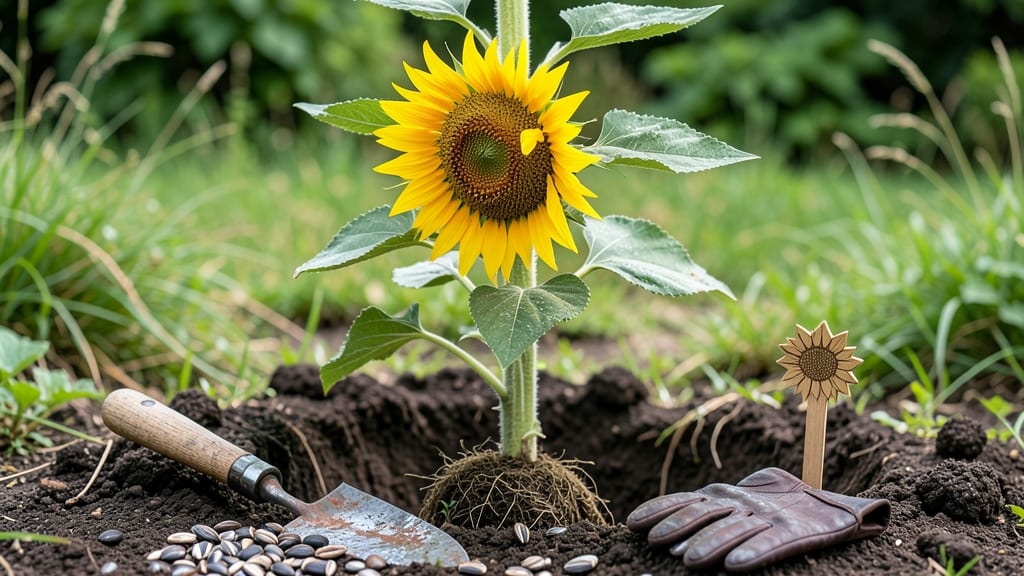
Planting sunflower seeds in Colorado after the last frost date—typically late April to early June—sets the stage for towering blooms that thrive in the state’s varied elevations.
Colorado’s diverse elevation zones create unique planting challenges—getting sunflower seeds in the ground at the wrong time can mean stunted growth or frost damage. Whether you’re in the Front Range or the Western Slope, timing is everything for vibrant, towering blooms that thrive in the Centennial State’s climate.
Most Colorado gardeners fall into USDA zones 5-7, where frost-free dates shift dramatically by elevation. At lower elevations, you can plant as early as mid-April, while high-altitude areas may wait until early June. Understanding your local frost dates is the key to avoiding late-season setbacks.
In this guide, I’ll break down the ideal planting windows by elevation, share tips for adjusting to Colorado’s microclimates, and recommend the best sunflower varieties for your region—so you can grow sunflowers that reach their full potential.
Colorado’s frost-free dates by elevation: ideal sunflower planting windows
Colorado’s dramatic elevation shifts—from 3,500 feet in the Front Range to over 10,000 feet in the mountains—create wildly different last-frost dates.
Sunflowers (Helianthus annuus) need warm soil and consistent warmth to thrive, so planting too early risks frost damage, while late planting shortens the blooming season. Understanding your USDA hardiness zone and local frost patterns is key to growing tall, healthy sunflowers that reach their full potential.
Sunflowers are warm-season annuals that tolerate dry conditions but need at least 60 days of frost-free growth to mature. In Colorado, this means starting seeds indoors 2-4 weeks before your average last frost date or planting directly outdoors after soil warms to 50°F (10°C).
The Western Slope (zones 6-7) often warms earlier than the Front Range (zones 5-6), so timing varies dramatically even within the same state.
To find your local frost-free date, check Colorado State University’s frost data or use the National Oceanic and Atmospheric Administration (NOAA) tools. For example, Denver (5,280 ft) averages its last frost around May 1, while Grand Junction (4,500 ft) typically sees frost-free conditions by April 15.
High-altitude areas like Fort Collins (5,050 ft) may wait until May 15 or later. These dates shift 1-2 weeks earlier at lower elevations and 1-3 weeks later in mountainous regions.
For urban gardens in cities like Colorado Springs (6,035 ft), aim to plant sunflower seeds after May 1 to avoid late frosts. Use row covers or black plastic mulch to warm the soil faster if you’re eager to start earlier.
In dryland farming areas like the San Luis Valley,
How to adjust sunflower planting for Colorado’s microclimates and soil conditions
Colorado’s dramatic elevation shifts—from urban Denver gardens at 5,280 feet to high-altitude farms above 7,000 feet—mean sunflowers need tailored care. Soil drainage and water retention become critical in arid Western Slope regions, while urban heat islands can push planting dates earlier in cities like Colorado Springs.
Let’s break down how to adapt your approach for each microclimate.
For high-altitude areas (7,000+ ft), I recommend starting seeds indoors 4-6 weeks before your last frost date to give them a head start. Black plastic mulch warms soil faster, while row covers protect tender seedlings from late frosts.
In contrast, dryland farming zones like the San Luis Valley benefit from deep soil amendments like compost to improve moisture retention.
- Urban Gardens: Plant 2-3 weeks earlier than rural areas due to heat island effect. Use container gardening with well-draining potting mix.
- High-Altitude (7,000+ ft): Start seeds indoors 4-6 weeks before last frost. Use row covers for seedling protection.
- Dryland Farming: Amend soil with compost + sand for drainage. Water deeply 2x/week instead of daily.
- Western Slope: Choose drought-tolerant varieties like ‘ProCut’ or ‘Autumn Beauty’. Mulch heavily to retain moisture.
- Front Range: Plant late April-early May after soil reaches 50°F. Use black plastic mulch to warm soil.
Soil preparation is the foundation. In urban containers, I mix 50% potting soil with 30% compost and 20% perlite to prevent compaction.
For in-ground planting, conduct a soil test—Colorado’s alkaline soils often need sulfur or peat moss to lower pH slightly. Drainage tests are crucial: dig a hole, fill it with water, and time how long it takes to drain.
If it’s slower than 4 hours, amend with coarse sand or gypsum.
Watering schedules must adapt to microclimate demands. In Denver’s urban heat, I water deeply every 3-4 days in summer, while high-altitude gardens may only need weekly watering due to cooler temps. Drip irrigation is ideal—it delivers water directly to roots and reduces evaporation.
For dryland areas, I recommend soaker hoses or clay pot buried near plants to slowly release moisture.
Extending the growing season is easier than you think. Black plastic mulch raises soil temps by 5-10°F, letting you plant 2 weeks earlier in spring. For fall planting, use row covers to protect seedlings from early frosts—I’ve successfully grown sunflowers in Colorado Springs until October with this method.
In high-altitude zones, combine mulch with cold frames for extra insulation.
Don’t overlook wind protection, especially for tall varieties like ‘Russian Giant’. Stake plants or use windbreaks made from bamboo stakes or mesh fabric. In open prairie areas, I’ve seen sunflowers lean dramatically without support—adding 3-foot stakes at planting prevents this.
Finally, monitor for pests like sunflower moths; handpicking larvae in the morning keeps plants healthy.
With these adjustments, your sunflowers will thrive whether you’re gardening in Denver’s urban oasis or a high-desert farm. The key is observation—watch your plants, adjust watering, and protect them from Colorado’s unpredictable weather. Happy growing! 🌻