
Plants
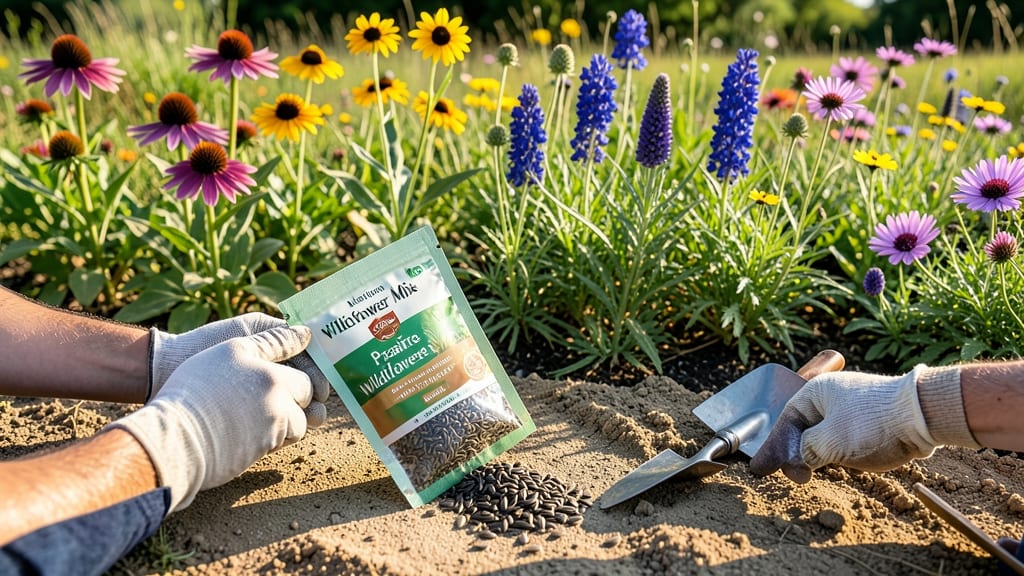
Planting wildflower seeds in Iowa at the right time means longer blooms and a thriving pollinator garden with almost no extra work.
Iowa’s short growing season and unpredictable spring weather can make wildflower planting tricky—but timing it right means vibrant blooms from spring to fall with minimal effort. Discover the exact windows for planting wildflower seeds in Zone 5a-6b to maximize success and create a pollinator paradise.
Spring planting in early March or April gives wildflowers like black-eyed Susans and prairie coneflowers a head start, but fall planting in September or October often outperforms spring for perennial varieties.
The key is understanding soil temperatures and frost risks, which I’ll break down so you can pick the best time for your garden.
You’ll also learn how to prep your soil, choose the best wildflower mixes for Iowa’s climate, and keep your blooms thriving all season long—no green thumb required.
Best planting windows for Iowa wildflowers: spring vs. fall timing explained
Iowa’s Zone 4 climate creates unique challenges for wildflower planting, with short growing seasons and unpredictable spring frosts. The key to success lies in choosing the right planting window—either early spring or late summer/fall—to give seeds the best chance to establish before winter or summer heat.
Both seasons offer advantages, but fall planting often outperforms spring for perennial wildflowers.
For spring planting, aim for March through early April when soil temperatures reach 40°F (4°C). This window allows seeds to germinate before summer drought stress sets in. However, Iowa’s late frosts can still pose risks, so cover seeds lightly with mulch or row fabric until danger of frost passes.
Fall planting, on the other hand, offers a 6-8 week head start for root development before winter dormancy.
Here’s a quick comparison to help you decide which timing works best for your Iowa garden:
Fall planting is often superior for Iowa wildflowers because seeds germinate in cool, moist soil and develop strong roots before winter. This method reduces competition from weeds and gives plants a head start in spring.
For spring planting, focus on native Iowa species like black-eyed Susan or prairie coneflower, which tolerate cooler soils better than tender annuals.
Iowa’s microclimates also play a role—southern regions (like Zone 5b) may have 2-3 weeks longer growing seasons than northern areas. Adjust your timing accordingly, and consider elevated beds in cooler microclimates to warm soil faster in spring. Always test soil moisture before planting; dry spring soils can delay germination.
If you’re planting in late summer (August), choose fast-germinating varieties like cosmos or zinnia to ensure seeds sprout before the first frost. For fall planting, September is ideal—seeds will germinate slowly over fall and establish roots before winter dormancy.
Avoid planting too close to October 15, Iowa’s average first frost date.
One common mistake is over-mulching newly planted seeds, which can suffocate them. Instead, use a light layer of straw (1/4 inch) to retain moisture without blocking sunlight. For both spring and fall plantings, avoid compacted soil—loosen the top 2 inches with a rake or hoe to improve seed-to-soil contact.
Remember, perennial wildflowers planted in fall often bloom earlier and more abundantly than spring-planted seeds. This is because they’ve had time to develop deep root systems before summer heat arrives. For annual wildflowers, spring planting works well if you’re aiming for immediate summer color.
To maximize success, prep your soil in advance. In fall, till in compost or aged manure 2-3 weeks before planting to improve soil structure. In spring, apply a light layer of compost right before sowing seeds. Both methods help seeds absorb moisture and establish quickly.
Finally, keep an eye on Iowa’s extended forecast. If a hard freeze is predicted in early spring, delay planting until temperatures stabilize. For fall plantings, aim to finish by mid-October to allow seeds time to germinate before winter sets in.
With the right timing, your Iowa wildflower meadow will thrive for years with minimal maintenance.
Iowa-specific wildflower seed varieties by planting season
Iowa’s Zone 4 climate demands strategic planting to ensure wildflowers thrive despite short summers and unpredictable frosts. Native perennials like prairie coneflower and black-eyed Susan dominate fall plantings, while annuals like cosmos excel in spring. The key? Soil temperatures above 40°F and moisture retention—critical for germination in both seasons.
For spring planting (March–April), focus on fast-germinating annuals that tolerate light frosts, such as cosmos and marigolds. These varieties bloom quickly, offering instant color and pollinator support.
In contrast, fall planting (September–October) unlocks the full potential of perennial wildflowers, which establish roots before winter and burst into color the following year.
Native Iowa wildflowers like butterfly milkweed and purple coneflower are drought-tolerant and thrive with minimal care, making them ideal for low-maintenance meadows. Non-natives like sunflowers and zinnia also perform well but require slightly more water and nutrients during Iowa’s dry spells.
When planting spring wildflowers, aim for early March once soil thaws but avoid late frosts that can bury seeds. For fall plantings, September is ideal—seeds germinate slowly in cool soil, establishing roots before winter. Mulch lightly after planting to retain moisture without smothering seeds.
Pro tip: Mix native and non-native varieties to extend your bloom season from early summer to frost. For example, pair spring cosmos with fall-planted coneflowers for continuous color. Pollinators will thank you! 🌼
For drought-prone areas, prioritize deep-rooted natives like prairie dropseed or wild bergamot. These thrive with minimal watering once established, making them perfect for Iowa’s unpredictable rainfall. Always test soil moisture before watering—overhead watering can lead to fungal issues.