
Companion Plants
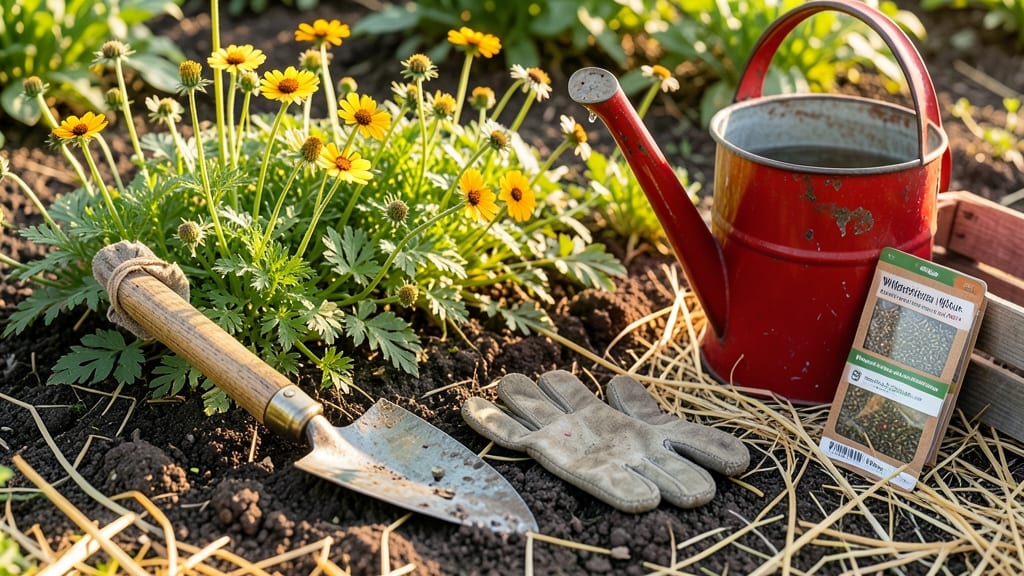
Planting wildflower seeds in June can still yield stunning blooms 🌼—if you time it right and prepare the soil properly.
June’s warm weather might seem like the perfect time to plant wildflowers, but timing is everything—get it wrong, and your seeds could struggle to establish before winter.
Many gardeners assume late spring is too late, but with the right techniques, you can still create a vibrant garden that thrives in the heat.
In this guide, I’ll walk you through the best practices for June planting, including soil prep, watering schedules, and the best wildflower varieties to choose for late-summer success. You’ll also learn how to protect your young seedlings from drought and weeds, ensuring a lush, long-lasting display.
Whether you’re in USDA Zone 6a or another region, these tips will help you maximize your chances of a thriving wildflower garden—even when planting outside the traditional window.
June wildflower planting: ideal conditions, risks, and regional considerations
Planting wildflower seeds in June can yield stunning late-summer blooms, but success hinges on understanding your climate zone and adjusting for heat stress. Unlike traditional spring planting, June seeds must compete with established weeds and endure intense sunlight.
The key lies in selecting heat-tolerant varieties and preparing soil to retain moisture during dry spells.
Most wildflower seeds thrive when sown in spring (March-April), but June planting works in cooler regions like the Pacific Northwest or mountainous areas. In hot climates (Zones 7-10), seeds may struggle to germinate before summer's peak.
Always check your USDA hardiness zone—this determines whether your local conditions favor June planting or require alternative timing.
Soil moisture becomes your biggest ally in June. Unlike spring rains, summer often brings drought, so pre-watering the planting area and using mulch is critical. Aim for 1-2 inches of soil moisture at all times during germination (typically 10-20 days). A simple test: If the top inch of soil feels dry, water immediately.
| Region | Best June Planting Conditions | Key Risks | Actionable Tips |
|---|---|---|---|
| Pacific Northwest (Zones 7-9) | Cool evenings, moderate sun; ideal for Black-Eyed Susans and Lupines | Fungal growth from humidity | Use 30% shade cloth if temps exceed 85°F |
| Midwest (Zones 5-6) | Hot days, but drought-tolerant species like Coreopsis thrive | Weed competition | Apply pre-emergent herbicide before planting |
| Southwest (Zones 8-10) | Extreme heat; only fast-germinating seeds (e.g., Sunflowers) succeed | Seed desiccation | Plant at dusk and water with drip irrigation |
| Northeast (Zones 4-5) | Short growing season; focus on perennials like Coneflowers | Late-season frost | Use row covers for early seedlings |
| Southeast (Zones 7-8) | Humid heat; wild bergamot and Blanket Flower excel | Pest pressure (deer, rabbits) | Install deer fencing around beds |
For drought-prone areas, consider hydroseeding—a slurry of seeds, mulch, and water applied with a sprayer. This method locks in moisture and reduces evaporation by 40%. In regions with high rainfall (e.g., Pacific Northwest), focus on well-draining soil to prevent seed rot.
A simple soil test reveals whether your garden needs amendments like sand or compost.
Timing matters even within June. Plant early June (before June 15) in hot climates to avoid peak heat. In cooler zones, late June works well. Always check the moon phase—planting during a waxing moon (when the moon is growing) encourages root development.
Pair this with biodegradable seed coatings to improve germination rates in dry conditions.
Weed competition is your biggest enemy in June. Weeds steal water and nutrients, stifling young wildflower seedlings. Before planting, apply a thin layer of cardboard or landscape fabric to suppress weeds, then top with 1 inch of mulch.
This "lasagna method" blocks light while allowing seeds to germinate through the gaps.
Monitor your seeds daily for the first 10 days. Look for tiny green shoots emerging from the soil—this signals successful germination. If you notice yellowing leaves, overwatering is likely; brown, crispy leaves indicate underwatering. Adjust your watering schedule immediately to prevent seedling loss.
In urban gardens, where heat islands raise temperatures by 5-10°F, choose heat-resistant varieties like Mexican Sunflower or Zinnias. These species tolerate up to 100°F with proper care. Pair them with shade-providing perennials like Russian Sage to create microclimates that protect young plants.
Remember: June planting is a gamble in most climates, but with the right species selection, soil prep, and water management, you can achieve late-summer blooms that rival spring plantings. Start small with a 10x10 ft test plot to refine your approach before committing to larger areas.
5 Proven strategies to boost wildflower seed germination in late summer
Planting wildflower seeds in late summer presents unique challenges, but with the right strategies, you can achieve exceptional germination rates even in June’s heat. The key lies in mimicking ideal conditions while protecting delicate seedlings from heat stress and drought.
Let’s explore five battle-tested methods to give your wildflowers the best possible start.
First, focus on soil preparation—loose, well-draining soil with added organic matter creates the perfect environment for seeds to sprout. Amend your soil with compost or aged manure to improve moisture retention and nutrient availability. This step alone can double your germination success in hot conditions.
Protect young seedlings from intense midday sun by installing lightweight shade cloth. This reduces evaporative stress and keeps soil temperatures 10-15°F cooler—critical for germination.
Soaking wildflower seeds for 6-12 hours before planting boosts moisture uptake. Use lukewarm water and a breathable container to prevent mold.
Apply 2-3 inches of straw mulch to retain soil moisture and suppress weeds. Replenish mulch every 2-3 weeks during dry spells.
Use a soaker hose or drip irrigation to deliver 1 inch of water weekly. Avoid evening watering to prevent fungal diseases like powdery mildew.
Interplant with clover or creeping thyme to stabilize soil and reduce weed competition. These ground covers also improve soil structure over time.
For best results, combine these strategies with a light soil covering—never bury seeds deeper than ¼ inch. Many wildflower species, like Black-Eyed Susans and Coneflowers, require light to germinate. A gentle press into the soil surface works perfectly.
Monitor your seeds daily for the first 2-3 weeks, adjusting watering as needed. If the top inch of soil feels dry, it’s time to water again. Consistency is key—uneven moisture is the #1 killer of young seedlings in late summer.
With these strategies, you’ll transform June from a high-risk month into a high-reward opportunity for wildflower establishment. Your garden will reward you with bold blooms and resilient growth that outlasts typical spring plantings.