
When to Plant Wildflower Seeds in New England: Frost-Free Window by Month

Plants

When to Plant Wildflower Seeds in New England: Frost-Free Window by Month

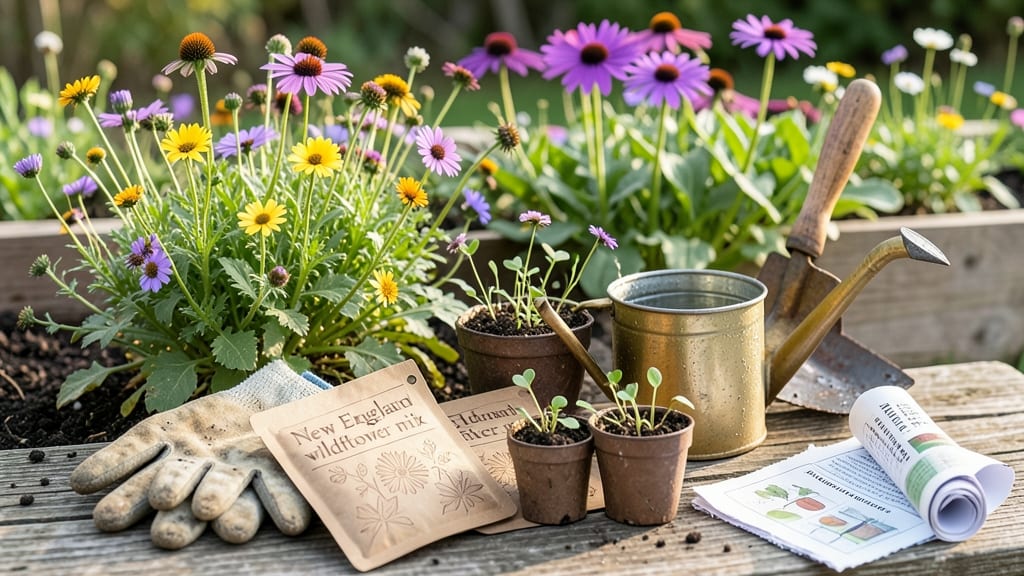
Planting wildflower seeds in New England at the right time means the difference between a thriving meadow and seeds that never sprout.

Timing is everything—miss the frost-free window, and your 🌼 wildflowers could get buried under snow or baked by summer heat before they even take root.

The key is knowing when the soil warms enough to support germination, which shifts by 5a-6b zone and whether you’re planting in coastal Maine or inland Vermont.

Most gardeners swear by late summer to early fall planting, but spring offers a second chance if you act fast. I’ll break down the exact months to plant, how to prep your soil for New England’s unpredictable weather, and which native wildflowers thrive when sown at the right time.

By the end, you’ll know not just when to plant, but how to give your seeds the best shot at blooming—no guesswork, just proven results for your region.

🌼 When to Plant Wildflowers
Jan ❄️
Feb 🌱
Mar 🌼
Apr 🌼
May 🌱
Jun ☀️
Jul ☀️
Aug ☀️
Sep 🍂
Oct 🍂
Nov 🍂
Dec ❄️
Ideal Time
Also Good

New England’s frost-free wildflower planting calendar by month

New England’s unpredictable climate makes timing your wildflower seed planting critical. Coastal areas like Portland, Maine enjoy earlier frost-free windows (mid-April), while inland zones like Burlington, Vermont often wait until late May.

Understanding these monthly planting windows ensures your seeds germinate before late spring frosts or summer droughts take hold.

Most native wildflowers thrive when sown in early spring (March–April) or late summer (August–September). Spring planting gives seeds time to establish roots before summer heat, while fall planting leverages cool autumn temperatures for germination. Soil temperature thresholds (50–60°F) are your best guide—use a soil thermometer to confirm readiness.

Regional variations matter: coastal areas have warmer microclimates and longer frost-free seasons, while inland zones face shorter windows and higher frost risks. For example, Boston’s last frost averages April 15, while Montpelier, Vermont’s can linger until May 20. Adjust your planting dates accordingly.

Here’s your frost-free planting calendar, broken down by month with soil temperature, frost risk, and ideal seed types:

Month Soil Temp (°F) Frost Risk Best Planting Time Seed Types Notes
March 35–45°F High (coastal: low) Late March (coastal) Black-eyed Susan, Coreopsis Start indoors for early blooms
April 45–55°F Moderate (varies) Mid-April (coastal), Late April (inland) Milkweed, Bee Balm Wait for soil to warm above 50°F
May 55–65°F Low (frost-free) Early May (all regions) Goldenrod, Aster Ideal for late bloomers
June 65–75°F None Not ideal (drought risk) N/A Focus on watering existing plants
August 60–70°F None Late August Coneflower, Phlox Best for fall blooms
September 50–60°F

Best wildflower seed types for New England’s climate zones

New England’s climate zones 5–7 create perfect conditions for native wildflowers that thrive with minimal care. The key? Choosing seeds matched to your planting season—whether you’re sowing in spring or fall.

Spring plantings (March–April) give early bloomers like Virginia bluebells a head start, while fall sowings (August–September) let seeds establish roots before winter. Both strategies work, but your microclimate (coastal vs. inland) will dictate timing.

For pollinator support, prioritize native species like black-eyed Susans and purple coneflowers. These flowers attract bees, butterflies, and hummingbirds while requiring low-maintenance care. Non-natives might bloom brighter, but they often lack ecological benefits.

Always check seed packets for USDA Zone 5–7 labels—this ensures hardiness against New England’s late frosts and hot summers.

Spring-planted wildflowers (e.g., wild columbine) typically bloom by June, while fall-sown varieties (like goldenrod) may wait until July or August. The trade-off? Fall plantings often yield denser meadows because seeds germinate in spring without competition. For immediate color, mix spring and fall varieties.

Spring vs. Fall Wildflower Planting

Spring Planting

  • Pros: Early blooms (June), fewer weeds
  • Cons: Drier soil, higher bird predation

Fall Planting

  • Pros: Denser meadows, natural stratification
  • Cons: Slower first-year blooms, frost risk
Best for: Spring = immediate color; Fall = long-term meadows

When selecting seeds, focus on bloom cycles to extend your meadow’s seasonal interest. Pair early bloomers (e.g., bloodroot) with late-season stars like New England aster. This ensures continuous pollinator activity from April through October.

For shady areas, opt for wild geranium or trillium—both thrive in partial shade and moist soil.

For drought-prone zones, prioritize deep-rooted natives such as butterfly weed or yarrow. These species store water efficiently and outcompete weeds once established. Always avoid invasive species like knapweed, which can disrupt local ecosystems.

Stick to regionally adapted mixes from reputable suppliers like American Meadows or Wildseed Farm.

Pro tip: Pre-treat seeds with scarification (light sanding) for hard-coated varieties like lupine. This mimics natural weathering and boosts germination rates in New England’s cool, wet springs.

After sowing, apply a thin layer of mulch (straw or leaves) to retain moisture and suppress weeds—critical in Zone 5’s unpredictable weather.

Remember, the healthiest meadows start with diverse seed mixes. Aim for 5–10 species per 100 square feet to support pollinators year-round. Whether you’re planting for bees, butterflies, or simply low-maintenance beauty, New England’s native wildflowers deliver—just give them the right timing and care.

★★★★★4.9(14 reviews)
Categories Plants