
Flowers
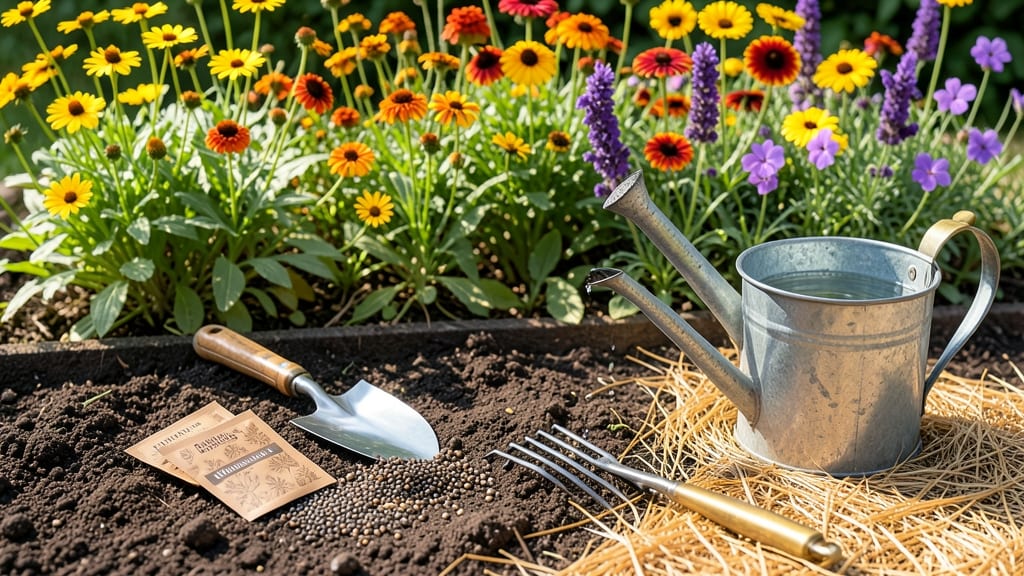
Planting wildflowers in Florida at the right time ensures vibrant blooms and thrives in your garden 🌼—not just in spring, but year-round with the right strategy.
Picture this: you’ve sown seeds in the scorching summer heat, only to watch them bake before they sprout. Or worse, you planted in late fall and woke up to a rare frost nibbling at your seedlings. Florida’s climate is forgiving, but timing is everything.
From the frost-free coasts of South Florida to the occasional chill in North Florida’s Zone 8a, each region has its own sweet spot for sowing wildflower seeds or transplanting plugs.
I’ll break down the exact months for each zone, so you can skip the guesswork and enjoy wildflowers from January through December.
You’ll learn which wildflowers to plant in fall for winter color, how to prep soil for summer sowing without losing seeds to the heat, and the native species that attract pollinators while thriving in Florida’s humidity. Let’s get those wildflowers growing!
Florida wildflower planting calendar by zone: best months for seeds vs. transplants
Florida’s 11 distinct planting zones (7A through 9B) create unique microclimates where wildflowers thrive year-round—but timing is everything. Planting seeds vs. transplants at the wrong season can lead to poor germination, heat stress, or even frost damage in northern regions.
My zone-specific calendar ensures you get vibrant blooms from Black-Eyed Susans to Blanket Flowers while supporting local pollinators.
In northern zones (7A–8A), like Jacksonville or Gainesville, cooler winters and occasional frost mean fall is the sweet spot for seeds, while spring transplants take advantage of warming soil.
Meanwhile, southern zones (9A–9B), such as Miami or Fort Lauderdale, offer year-round planting with peak seasons in fall and early spring to avoid summer’s intense heat and humidity. Let’s break it down by zone so you can plant with confidence.
| Zone | Best Seed Planting Months | Best Transplant Months | Key Wildflowers | Avoid Planting |
|---|---|---|---|---|
| 7A (Pensacola) | Sept–Nov, Feb–March | Feb–March, Sept–Oct | Coreopsis, Blanket Flower | May–Aug (heat stress) |
| 8A (Tallahassee) | Oct–Dec, Jan–Feb | Jan–Feb, Sept–Oct | Black-Eyed Susan, Milkweed | June–July (extreme heat) |
| 8B (Orlando) | Sept–Nov, Jan–March | Feb–March, Sept–Oct | Lantana, Purple Coneflower | May–Aug (drought risk) |
| 9A (Tampa) | Year-round (best Sept–March) | Jan–March, Sept–Nov | Firewheel, Goldenrod | June–July (heat + humidity) |
| 9B (Miami) | Year-round (peak Sept–Dec) | Jan–April, Sept–Nov | Butterfly Weed, Beach Sunflower | None (plant anytime) |
For northern Florida (zones 7A–8A), focus on fall seeding (September–November) when soil stays warm but humidity drops. This gives seeds time to germinate before winter’s occasional frost.
In central Florida (8B–9A), like Orlando or Tampa, you can push seeds into early spring (January–March) for summer blooms, but avoid peak summer heat, which dries out seeds before germination.
In southern Florida (9B), like Miami or Key West, wildflowers grow year-round, but fall planting (September–December) yields the most vibrant displays. The cooler, drier season reduces fungal risks and helps seeds establish before summer’s return.
If you’re transplanting plugs or young plants, always water deeply for the first 2 weeks to help roots adjust.
Pro tip: Pre-treat seeds with a light scarification (nick the seed coat) for species like Coreopsis or Milkweed, which have hard outer shells. Soak seeds overnight in lukewarm water to kickstart germination. For transplants, choose overcast days to reduce transplant shock from direct sun.
If you’re in zone 7A or 8A and experience an early frost, cover young seedlings with frost cloth or move potted transplants to a sheltered spot. Southern zones rarely face frost, but hurricane season (June–November) can wash away newly sown seeds—plant in raised beds or elevated containers for safety.
For maximum pollinator support, mix early bloomers (like Lantana) with late-season flowers (such as
Top 5 wildflower species for Florida’s climate: planting tips for year-round color
Florida’s wildflowers thrive with minimal fuss once you match the right species to your zone and planting window. I’ve handpicked five Florida-native wildflowers that deliver year-round color while supporting pollinators like butterflies and bees.
These varieties handle our humidity and heat without needing constant care—just the right timing and soil prep.
Each of these wildflowers has specific planting windows that align with Florida’s 11 USDA zones. For example, Milkweed (critical for monarchs) loves early spring, while Lantana can handle summer heat if sown early.
Let’s dive into the best species, their ideal planting months, and how to prep your soil for success.
- 1 Milkweed (Asclepias spp.) – Best planted in late winter (Jan-Feb) for spring blooms. Avoid summer planting; seeds need cool soil to germinate.
- 2 Purple Coneflower (Echinacea purpurea) – Fall (Sept-Oct) or early spring (Feb-Mar). Thrives in full sun and tolerates drought once established.
- 3 Lantana (Lantana camara) – Year-round in South Florida (Zones 9B-11), spring (March-April) in North Florida (Zones 7A-8B). Heat-loving but needs well-draining soil.
- 4 Blanket Flower (Gaillardia pulchella) – Spring (March-April) or fall (Sept-Oct). Perfect for dry, sandy soil and blooms from spring to frost.
- 5 Coreopsis (Coreopsis spp.) – Early spring (Feb-Mar) or late summer (July-Aug). Drought-tolerant and attracts butterflies year-round.
Before you plant, prep your soil to give these wildflowers the best start. Florida’s sandy soils drain too quickly, while clay-heavy areas can suffocate roots. Amend your soil with 2-3 inches of compost or aged manure, and mix in a light layer of sand if your soil is compacted.
For sandy areas, add organic matter like peat moss to retain moisture.
Watering is key, especially in Florida’s summer heat. Newly planted wildflowers need deep watering 2-3 times per week until they’re established (about 4-6 weeks). Once rooted, most of these species are drought-tolerant, so cut back to weekly watering during dry spells.
Always water in the early morning to reduce evaporation and fungal risks.
For year-round blooms, stagger your planting. Sow Milkweed and Coneflower in fall for winter-spring color, then add Lantana and Coreopsis in spring to extend blooms through summer.
Blanket Flower thrives in both seasons, making it a versatile choice. With these tips, you’ll enjoy wildflowers from January to December—no guesswork required!
🌼