
Plants
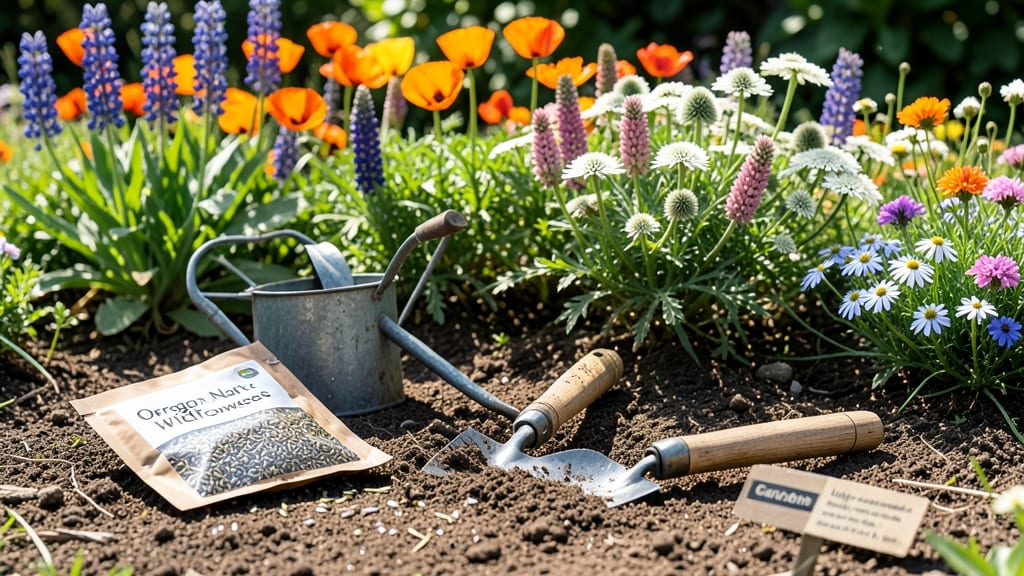
Plant wildflower seeds in Oregon between late winter and early spring or in fall, when soil temps and moisture align with your microclimate’s frost dates and rainfall patterns.
Oregon’s diverse regions—from the misty coast to the high desert—mean timing is everything. Miss the window, and your seeds may rot or sprout too late. Get it right, and you’ll enjoy year-round blooms from spring lupines to fall asters.
Coastal areas thrive with fall planting, while inland zones like the Willamette Valley often prefer spring. Even within USDA zones 7b–9a, frost dates shift by weeks, so knowing your exact microclimate is the key to success.
Below, I break down the best months for each region, soil prep tricks, and how to layer seeds for continuous color—plus the mistakes that derail even the most eager gardeners.
Oregon wildflower planting calendar by region: coastal vs. valley vs. mountain timelines
Oregon’s three distinct regions—coastal, Willamette Valley, and high desert/mountain—each demand a unique approach to wildflower planting. The coastal zone (USDA 8b-9a) enjoys mild winters and high humidity, while the Willamette Valley (USDA 7b-8a) balances warmth with frost risks.
Meanwhile, high desert areas (USDA 6b-7a) face extreme temperature swings and drought. Timing is everything to avoid seed washout or frost damage.
For coastal Oregon, like the North Coast or Columbia River Gorge, plant wildflower seeds in late winter (February-March) to capitalize on spring rains. The Willamette Valley, including Portland and Eugene, shifts slightly later—March-April—to dodge late frosts.
In high desert regions (e.g., Bend or La Pine), aim for late summer (August-September) to align with monsoon rains and cooler nights.
Here’s a side-by-side guide to help you align your planting with Oregon’s microclimates, including frost dates and rainfall patterns:
The Columbia Gorge acts as a microclimate hybrid, blending coastal moisture with valley warmth. Here, plant wildflower seeds in early April to avoid late frosts near Hood River or Troutdale.
For elevation adjustments, add 1-2 weeks later per 1,000 feet gained—so Mount Hood foothills may wait until May.
Soil prep varies too: Coastal soils are acidic and moist, while high desert soils need compost amendments to retain water. In the Willamette Valley, loosen soil to 1 inch deep and mix in sand for drainage.
Always test soil moisture before planting—overwatering can drown seeds in winter, while underwatering in summer risks failure.
Native wildflower mixes like Oregon Sunshine or Pacific Giant thrive when planted at the right time. For coastal areas, include shade-tolerant species (e.g., Sword Fern companions). In high desert, prioritize drought-resistant varieties like Blanketflower or Purple Prairie Clover.
Always check seed packets for cold stratification needs—some species need 60 days of cold to germinate.
Pro tip: Use staggered planting in the Willamette Valley—sow half your seeds in March and the rest in April—to extend blooms. In coastal zones, mulch lightly with straw to protect seeds from heavy winter rains.
For high desert, plant after monsoon rains (late July) to ensure moisture without overwatering.
Remember, Oregon’s unpredictable weather means flexibility is key. Monitor local forecasts and adjust planting dates by 1-2 weeks if needed. With the right timing, your wildflower meadow will reward you with year-round color, from spring camas to fall asters. Happy planting!
How to time wildflower seed planting for year-round color: spring vs. fall strategies
Timing your wildflower seed planting in Oregon can make the difference between a brown patch and a blooming meadow. Most gardeners focus on spring planting, but fall offers critical advantages for native species.
The key is understanding which flowers thrive when planted in each season—and how to layer seeds for continuous color.
Spring planting (March–April) is ideal for summer-blooming wildflowers like lupines and penstemons, which need warm soil to germinate. Fall planting (August–September), however, gives spring bloomers like camas and shooting stars a head start by allowing seeds to stratify naturally over winter.
Both strategies work, but the right timing ensures your meadow stays vibrant year-round.
-
1Spring Planting (March–April): Best for summer/fall bloomers like lupines and black-eyed Susans. Soil temps should be 50°F+ for germination.
-
2Fall Planting (August–September): Perfect for spring bloomers like camas and blue flax. Seeds stratify naturally during winter.
-
3Layering Seeds: Mix spring and fall seeds in one area. Scatter fall-planted seeds first, then spring-planted seeds on top for staggered blooms.
-
4Soil Prep: Loosen soil to 1 inch deep and remove weeds. Avoid tilling to protect beneficial microbes.
-
5Watering: Keep soil moist but not soggy for 4–6 weeks post-planting. Use a gentle sprinkle to avoid displacing seeds.
For continuous blooms, I recommend combining both strategies. Plant fall-blooming species in early spring and spring-blooming species in late summer. This creates a rolling meadow effect, where one flower fades just as another begins.
For example, California poppies planted in spring will bloom in summer, while blue-eyed grass sown in fall will greet you in spring.
Oregon’s microclimates add another layer of complexity. In coastal areas, fall planting can extend into October due to milder winters, while high-desert regions may need earlier spring planting to escape summer drought.
Always check your last frost date—Portland’s is around March 15, but Eastern Oregon can be 2–3 weeks later.
Don’t overlook seed stratification, a natural process that mimics winter conditions. Many native Oregon wildflowers, like lupines, require cold, moist conditions to break dormancy. If you’re planting in spring, you can stratify seeds indoors by mixing them with damp sand and refrigerating for 4–6 weeks before sowing.
Pro tip: Mark your planting areas with biodegradable flags to track which seeds were planted when. This helps you adjust future plantings based on what blooms best in your spot.
With the right timing, your Oregon wildflower meadow can burst into color from early spring through late fall—no gaps, no guesswork. 🌼