
Planting
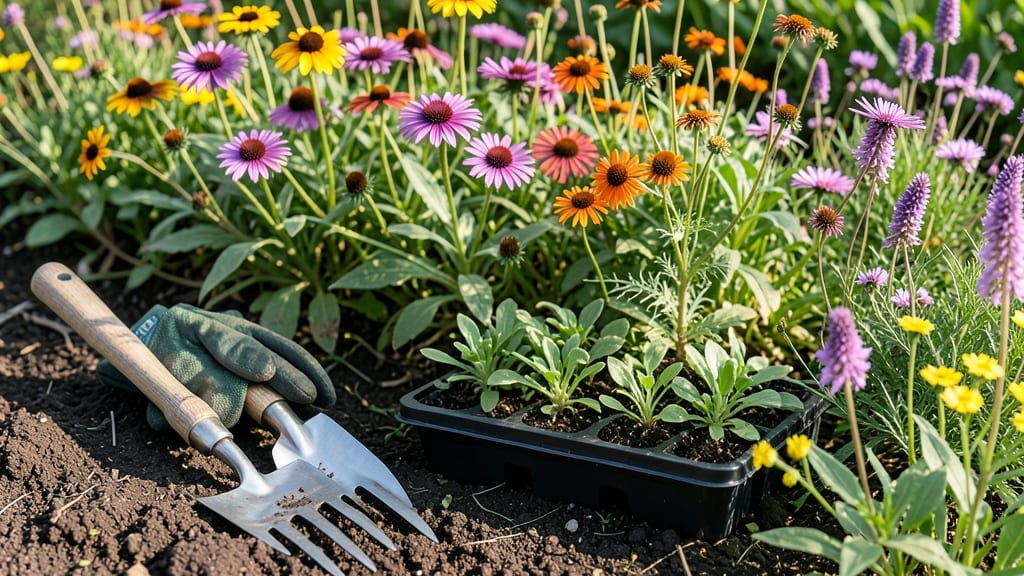
The best time to plant wildflower seeds in Indiana is either early spring (March-April) or late summer/early fall (August-September) — two windows that align perfectly with the state’s 5b-6b climate.
Picture this: you’ve spent months dreaming of a meadow bursting with 🌼 black-eyed Susans and coneflowers, only to watch your seeds disappear into the soil or sprout too late for a summer show.
That’s the risk when you plant at the wrong time — and Indiana’s frost dates make timing everything.
Spring planting gives seeds a head start before summer heat, while fall lets them establish roots before winter. Both strategies work, but the key is preparing the soil right and choosing seeds suited to Indiana’s 165 frost-free days.
Native mixes like milkweed and coreopsis thrive here, but only if you get the timing down.
Below, I’ll break down the exact months for each zone, soil prep tricks for clay-heavy areas, and the top seed blends that guarantee blooms from April to October. No more guesswork — just vibrant wildflowers year after year.
Indiana’s ideal wildflower planting months by hardiness Zone (5 & 6)
Indiana’s USDA hardiness zones 5 and 6 offer two prime windows for planting wildflower seeds—early spring and late summer/fall. Each timing delivers different benefits, depending on whether you’re planting annuals or perennials.
The key is aligning with Indiana’s average last frost date (April 15) and first frost date (October 15) to ensure optimal germination and establishment.
Spring planting (March–April) gives seeds a head start before summer’s heat, while fall planting (August–September) allows seeds to germinate in cooler temperatures, reducing competition from weeds.
For perennial wildflowers, fall planting often yields stronger root systems before winter dormancy. Meanwhile, annual wildflowers thrive when sown in spring for immediate summer blooms.
Pro Tip: Check your exact Indiana county’s frost dates—northern zones (5b) may need to wait until mid-April, while southern zones (6b) can start as early as late March. Use the Indiana State Climate Office for local data.
For annual wildflowers, like cosmos or zinnias, spring planting in March or April ensures vibrant blooms by summer. These fast-growing varieties thrive with Indiana’s warm, humid summers and tolerate heat once established.
However, if you’re aiming for longer-lasting displays, consider mixing in biennials like foxglove, which benefit from fall planting.
Perennial wildflowers, such as black-eyed Susans or coneflowers, are best planted in late summer (August) or early fall (September). This timing allows seeds to germinate before winter, giving roots time to develop.
In Zone 5b, aim for mid-August planting, while Zone 6b gardeners can extend planting until early September.
Warning: Avoid planting wildflower seeds in Indiana’s peak summer heat (June–July). Soil temperatures can exceed 90°F, causing seeds to dry out or fail to germinate. If you miss the fall window, wait until next spring.
Native wildflowers like purple coneflower and butterfly weed thrive when planted in fall, as they establish deeper roots before winter. These species also support Indiana’s pollinators, including monarch butterflies and bees. For maximum biodiversity, mix 3–5 native species in your seed blend.
After planting, maintain light moisture (about 1/4 inch per week) until seeds germinate. Once established, wildflowers require minimal watering, making them ideal for Indiana’s drought-prone summers. Mulch lightly with
How to prepare Indiana soil for wildflower success (even in clay or compacted areas)
Indiana’s heavy clay soil and compacted ground can make wildflower gardening feel like an uphill battle—but with the right prep, your seeds will thrive. The key lies in breaking compaction, balancing pH, and choosing native seed mixes that adapt to local conditions.
Even in USDA Zones 5b-6b, your wildflowers can flourish with these targeted steps.
Many gardeners skip soil testing, assuming their land is "good enough"—but Indiana’s clay-heavy soils often need amendments to improve drainage and aeration. A simple pH test reveals whether your soil is too acidic or alkaline for wildflowers, which prefer a neutral to slightly acidic range (6.0-7.0).
Skipping this step can lead to poor germination or stunted growth, even with high-quality seeds.
Here’s your step-by-step guide to transforming tough Indiana soil into a wildflower paradise:
One common mistake is planting too early in Indiana’s unpredictable spring weather. Wait until soil temperatures reach 60°F (use a soil thermometer) before sowing. Cold, wet soil can cause seeds to rot, especially in clay-heavy areas where drainage is poor.
For compacted urban lots, consider lasagna gardening—layering cardboard, compost, and mulch to create a no-dig bed. This mimics natural soil conditions and encourages wildflower roots to spread deeply, reducing competition from weeds.
My Indiana city garden transformed from a muddy patch to a pollinator magnet in just one season using this method.
Remember: Patience is key. Wildflowers often take 1-2 years to reach full bloom, but the effort pays off with low-maintenance beauty and a boost for local bees and butterflies. Start small—even a 5x5-foot patch makes a difference in supporting Indiana’s ecosystems.