
Planting
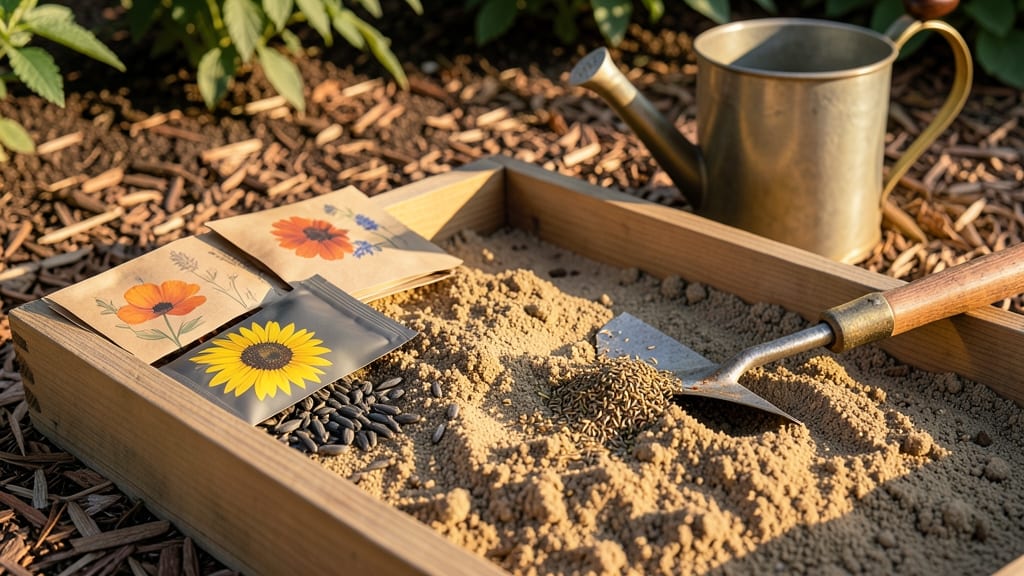
Planting wildflower seeds in Zone 9 🌼 at the right time is the secret to a fast, vibrant meadow that blooms year after year.
You’ve probably tossed a packet of seeds into the ground only to watch them disappear into the soil—or worse, sprout too late for a proper show. In Zone 9, timing isn’t just about the calendar; it’s about avoiding summer’s scorching heat or winter’s unpredictable rains.
The best windows? Fall and early spring, when temperatures and moisture work in your favor.
Why does this matter? Because wildflowers in Zone 9—whether you’re in Southern California, Arizona, or Florida—need a head start. Plant too early, and seeds may rot; too late, and they’ll struggle to establish roots before the dry season hits.
The key is knowing when to scatter them for fast germination and long-lasting color.
Here’s what you’ll learn: the exact months to plant, how to prep your soil for success, and which native wildflower mixes thrive when sown at the right time. Skip the guesswork and start with a foolproof schedule.
Best months to plant wildflower seeds in Zone 9 for maximum blooms
Planting wildflower seeds in Zone 9 requires precision timing to ensure fast germination and vibrant blooms. Unlike cooler climates, Zone 9's mild winters and hot summers create unique windows where seeds thrive.
The best times to plant are fall (October-December) and early spring (February-March), aligning with natural rainfall patterns and temperature shifts that trigger seed activation.
Fall planting leverages cooler temperatures and winter rains to establish roots before summer heat arrives. This method reduces competition from weeds and ensures seeds germinate when moisture is abundant. Meanwhile, early spring planting capitalizes on warming soils and increased daylight, giving wildflowers a head start for summer blooms.
Here’s a clear breakdown of the optimal planting windows, including temperature thresholds and rainfall patterns that directly impact germination success in your region:
In Southern California, where Mediterranean climates dominate, fall planting in October or November ensures seeds germinate before winter rains taper off. The key is to plant when soil temperatures hover around 60–70°F (15–21°C), which triggers dormancy-breaking hormones in seeds.
Meanwhile, in Arizona’s desert regions, focus on late fall (November-December) to take advantage of cooler nights and occasional monsoon remnants.
For Florida’s humid subtropical zone, early spring (February) is critical—planting too early risks fungal diseases from excess moisture, while late spring (April) may coincide with drought stress. Always check local rainfall forecasts; 1–2 inches of moisture per month is ideal for germination, whether from rain or irrigation.
Temperature thresholds are non-negotiable: seeds need consistent moisture and stable soil temps between 50–80°F (10–27°C). In Zone 9’s heat, soil can exceed 90°F (32°C) in summer, cooking seeds before they sprout. Fall planting sidesteps this by letting seeds lie dormant until winter rains activate them.
Pro tip: Prepare your soil 2–4 weeks before planting by removing weeds and lightly tilling to a depth of 1–2 inches. Wildflower seeds are tiny—most need no more than 1/4-inch coverage.
Simply scatter them on bare soil, press gently with a rake, and water lightly to avoid washing seeds away.
If you’re in a coastal Zone 9 area (e.g., San Diego or Tampa), lean toward fall planting to benefit from milder winters and consistent humidity. Inland desert zones (e.g., Phoenix) should prioritize winter planting to align with cooler temps and occasional storms.
Remember: Native wildflowers like California poppies or Arizona poppy have evolved to thrive in these windows. Planting outside them forces seeds to compete with weeds or endure stress.
With the right timing, your Zone 9 meadow will burst into color by spring or early summer—just in time for pollinators! 🌼
How climate variations in Zone 9 affect wildflower seed germination timing
Zone 9 spans diverse climates from coastal Southern California to arid Arizona deserts, where microclimates can shift germination timing by weeks.
Coastal areas with high humidity and mild winters may support fall planting until December, while inland deserts with hot summers often require early spring sowing to avoid heat stress. Understanding these variations ensures your wildflowers thrive.
Urban heat islands in cities like Phoenix or San Diego create warmer microclimates that can extend planting windows, while rural areas with cooler nights may need earlier sowing.
For example, Mediterranean climates (like Los Angeles) benefit from fall rains that trigger germination, while desert regions rely on spring moisture from occasional storms.
In Mediterranean climates, like those in Southern California, the key is planting when soil temperatures hover between 60–75°F. Use a soil thermometer to monitor—cooler temps (<60°F) slow germination, while hotter soils (>80°F) can cause seeds to dry out. For example, California poppies germinate best at 65°F, while lupines prefer 55–65°F.
For desert microclimates, such as those in Arizona or Nevada, focus on spring planting after the last frost risk passes. Pre-soak seeds for 24 hours to improve germination in dry conditions.
Pair this with light irrigation (¼ inch per week) until seedlings emerge, typically within 10–21 days depending on the species.
If you’re in an urban environment, like San Diego or Phoenix, factor in concrete and pavement heat, which can raise soil temps by 10–15°F. Opt for shady microclimates or use black plastic mulch in spring to warm soil gradually.
Conversely, rural areas with cooler nights may require row covers to protect tender seedlings from temperature swings.
Pro tip: Monitor your local NOAA climate data for 10-day forecasts—consistent moisture predictions are your best guide. For instance, if 3+ inches of rain are forecasted, delay planting by 2 weeks to avoid seed washout.
Adjust your schedule annually, as climate shifts can alter optimal timing by 1–2 weeks.