
Planting
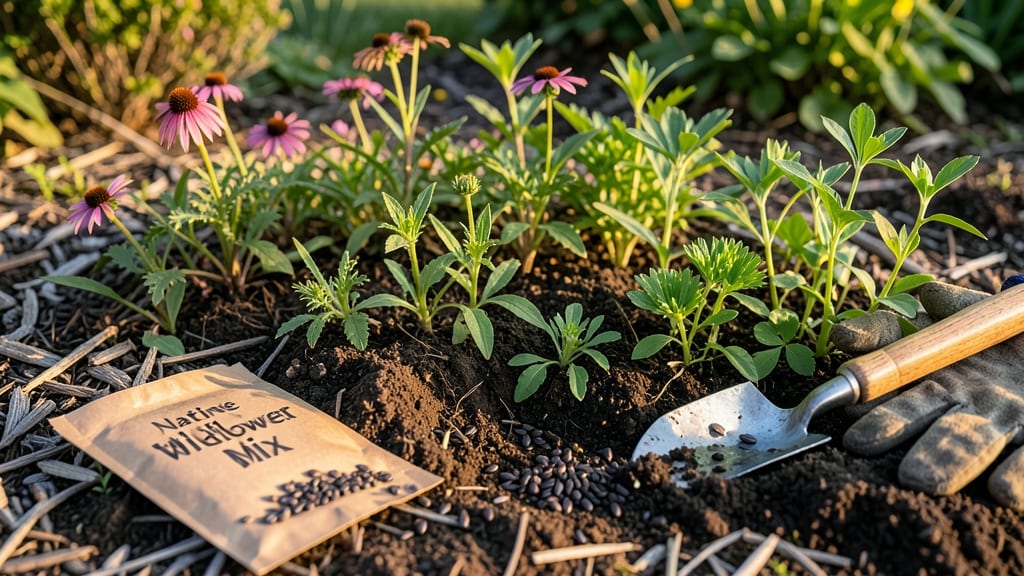
To plant native wildflower seeds at the right time for fast germination and vibrant blooms, aim for early spring or late summer—when soil temperatures and moisture align with their natural growth cycles.
Struggling to get your native wildflower seeds to sprout quickly? Timing is everything—planting at the wrong season can mean months of waiting (or no blooms at all). Unlike annuals, these resilient 🌼 often need cold stratification or precise seasonal cues to germinate efficiently.
In USDA Zone 6a and beyond, fall planting often outperforms spring because seeds mimic natural dispersal patterns and avoid summer competition. Meanwhile, early spring sowing (March–April) gives roots a head start before summer heat arrives.
Below, I’ll break down the best months by zone, share pro tips for soil prep, and reveal how a 10-minute adjustment can double your success rate—no guesswork required.
Best planting months by USDA hardiness zone for fast germination
Native wildflower seeds thrive when planted at the right time—but timing varies dramatically by USDA hardiness zone. In northern zones (3–6), cold stratification in fall often doubles germination rates, while southern zones (7–10) benefit from late summer/fall planting to avoid summer drought stress.
Research shows seeds planted in their optimal window germinate 30–50% faster than off-season plantings. Let’s break down the best months for your zone to ensure quick, healthy sprouts.
For Zones 3–6, focus on late summer to early fall (August–September) for natural cold stratification, while Zones 7–10 should aim for fall (October–November) or early spring (February–March). The key? Mimic nature’s timing—most wildflowers rely on seasonal cues like moisture retention or temperature shifts to break dormancy.
Below, we’ve organized the best planting windows by zone, including germination timelines and climate-specific tips.
In Zones 3–6, fall planting is critical for species like Black-eyed Susan and Purple Coneflower, as the cold period mimics their natural dormancy cycle. Skipping stratification (e.g., refrigerating seeds for 4–6 weeks) can delay germination by up to 6 weeks.
Meanwhile, Zones 7–10 benefit from fall planting to establish roots before summer drought, with California Poppy germinating in just 1–3 weeks when sown in September.
Pro tip: For northern zones (3–6), use a seed scarification method (lightly nicking seeds) if you’re planting in spring. This mimics natural wear-and-tear from winter winds. In southern zones (7–10), prioritize shallow sowing (1/8 inch deep) to prevent moisture loss in dry climates.
Always water lightly after planting to settle seeds without displacing them.
Regional microclimates can shift these windows by 2–4 weeks. For example, mountainous areas in Zone 6 may need earlier fall planting (July–August) due to shorter growing seasons, while coastal Zone 9 gardens can extend planting into December thanks to milder winters.
Pay attention to your local first frost date—planting 4–6 weeks before frost ensures seeds germinate before cold sets in.
If you’re unsure about your zone, use the USDA Plant Hardiness Zone Map to pinpoint your location. Then, adjust your planting window by 1–2 months if your area experiences unusually hot summers or wet springs.
For instance, Pacific Northwest gardens (Zone 7–8) may need to plant in late fall (November) to avoid spring rains that can rot seeds.
For fastest germination, pair your planting window with proper soil prep. Loosen the top 2–3 inches of soil, remove weeds, and mix in compost for moisture retention. In dry climates, add a mulch layer (straw or wood chips) to lock
Why fall planting often beats spring for native wildflowers
If you’ve ever planted native wildflower seeds in spring only to watch them struggle or fail to sprout, you’re not alone. The truth is, fall planting often gives these hardy plants a head start—and sometimes a full season ahead—of their spring-planted counterparts.
Nature designed many wildflowers to germinate in cooler weather, and mimicking these natural patterns can dramatically improve your success rate. By sowing seeds in autumn, you tap into natural cold stratification, reduce weed competition, and let winter rains establish roots before summer heat arrives.
For me, the shift to fall planting transformed my pollinator garden from a hit-or-miss experiment to a thriving ecosystem. Instead of waiting months for seeds to germinate in spring, I now see strong, established seedlings by early spring—ready to bloom when pollinators emerge.
The key lies in understanding how seasonal timing aligns with wildflower biology and preparing your seeds (and soil) for winter’s challenges. Let’s break down why autumn is the smarter choice and how to make the most of it.
-
1. Natural Cold Stratification
Many wildflower seeds need 60–90 days of cold, moist conditions to break dormancy. Fall planting provides this naturally, while spring seeds often need artificial scarification or stratification. -
2. Fewer Weeds Compete
Weeds germinate aggressively in spring. Fall-sown seeds establish roots before weed seeds sprout, giving your wildflowers a competitive edge from day one. -
3. Winter Rains Hydrate Soil
Autumn and winter rains naturally water seeds without your effort, reducing the risk of drought stress in early spring. -
4. Early Spring Growth Advantage
Seeds planted in fall often sprout as soon as soil warms in spring, while spring-planted seeds may wait weeks for consistent moisture and warmth. -
5. Mimics Natural Seed Dispersal
Wildflowers in the wild often drop seeds in late summer/fall, relying on winter conditions to trigger germination. Fall planting replicates this process.
To prepare your seeds for winter sowing, start by clearing the planting area of weeds and debris. Loosen the soil to a depth of 1–2 inches—just enough to create a seed-friendly environment without burying them too deeply.
For hard-coated seeds (like those from milkweed or coneflowers), consider light scarification by nicking the seed coat with sandpaper or soaking in warm water overnight. This mimics natural wear and tear, helping seeds absorb moisture more easily.
If your climate experiences freezing temperatures, protect newly sown seeds with a light layer of straw or leaves (about 1–2 inches thick). This insulation shields seeds from extreme cold while still allowing moisture to penetrate.
In warmer zones (7–10), where winters are mild, you can sow seeds as late as December—they’ll germinate in early spring without needing cold stratification. Always check your USDA hardiness zone to fine-tune timing, but aim to plant 4–6 weeks before your first frost for best results.
One of my favorite fall planting hacks is to sow seeds in shallow trenches (about ¼ inch deep) rather than scattering them randomly. This makes it easier to spot and thin seedlings in spring, ensuring each plant has enough space to thrive.
Pair this with a light mulch of compost or straw to retain moisture and suppress weeds. By spring, you’ll have a dense, healthy stand of wildflowers ready to support pollinators from day one.
Don’t let the idea of fall planting intimidate you—it’s simpler than you think. Start small with a 10x10-foot plot, experiment with a mix of native species, and observe which ones thrive best in your microclimate.
Over time, you’ll refine your approach and enjoy the reward of a garden that blooms like a prairie—all because you planted at the right time. 🌼