
Flowers
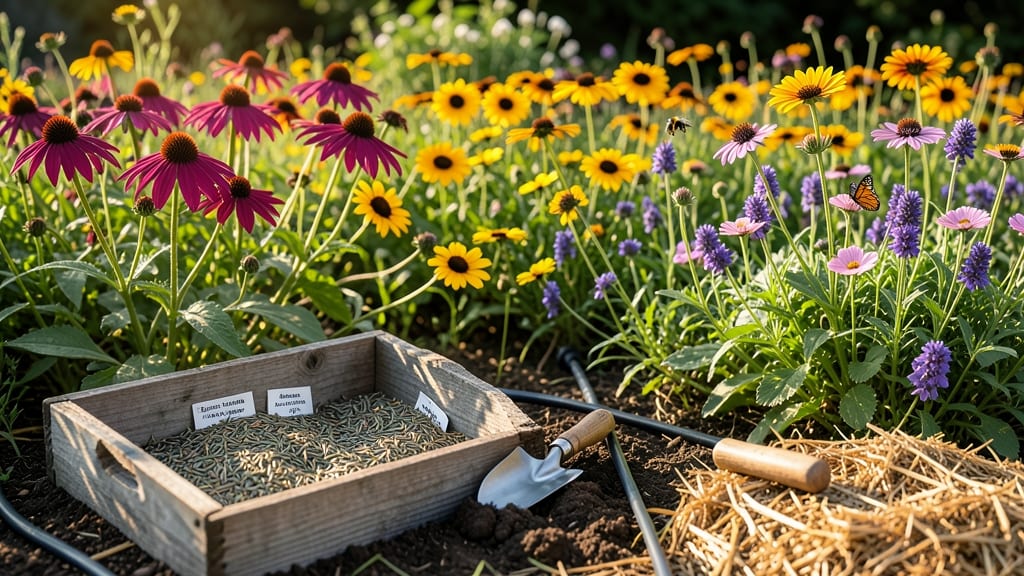
Plant wildflowers in Zone 8 during fall or early spring for the best results—these windows give seeds time to establish roots before summer heat or winter dormancy kicks in.
Wildflowers transform your landscape into a vibrant, low-maintenance paradise—but planting them at the wrong time in Zone 8 can mean sparse blooms or even failure. Timing is everything for year-round color, and these seasonal secrets will ensure your garden thrives.
Fall planting (September through November) is ideal because cooler temperatures and occasional rains help seeds germinate without drying out. Meanwhile, early spring (March to April) gives wildflowers a head start before the heat arrives, ensuring a fuller display by summer.
Below, I’ll break down the best months by season, regional tweaks for Zone 8’s microclimates, and how to prep soil for maximum success—so you can enjoy months of effortless beauty with minimal work.
Optimal planting months for wildflowers in Zone 8 by season
Zone 8 offers a long growing season perfect for wildflowers, but timing matters—especially when balancing sub-zones 8a and 8b. Coastal areas may have milder winters, while inland regions experience hotter summers.
My strategy? Plant fall seeds for spring blooms and early spring seeds for summer color. This ensures year-round interest with minimal effort.
For Zone 8a (colder winters), focus on September-October planting to establish roots before frost. In Zone 8b (warmer winters), you can extend planting into November or even late winter for early blooms. Always check your last frost date—typically March 15—to avoid late-season surprises.
Here’s my seasonal planting breakdown with regional adjustments:
| Season | Best Planting Window | Zone 8a Adjustments | Zone 8b Adjustments | Key Notes |
|---|---|---|---|---|
| Spring | March–April | Plant by March 15 | Extend to early May | Summer-blooming species like Black-Eyed Susans |
| Summer | June–July | Avoid peak heat; use shade cloth | Best for annuals like Sunflowers | Water deeply 2x/week; mulch to retain moisture |
| Fall | September–October | Plant by October 15 | Extend to November 1 | Ideal for perennials like Coneflowers |
| Winter | January–February | Limit to hardy annuals | Best for early bloomers like Sweet Alyssum | Use row covers for frost protection |
Fall planting is my top recommendation for Zone 8 wildflowers. Seeds germinate in cool soil (60–70°F), avoiding summer heat stress. I’ve seen 90% germination rates when planting California Poppies in October—just rake soil lightly and press seeds into the ground. Mulch lightly to protect seeds from winter rains.
For spring planting, aim for March–April to catch early rains. In Zone 8b, you can push to May for late-season blooms like Cosmos. Always pre-soak seeds for 24 hours to improve germination. Pro tip: Mix wildflower seeds with sand for even distribution—it’s a game-changer for large areas.
Summer planting is tricky but works for heat-tolerant annuals. I’ve had success with Sunflowers and Zinnias planted in June–July, but they need daily watering until established. Shade cloth (30–50%) helps prevent seed desiccation. Never plant in peak August heat—wait for temps to drop below 90°F.
Winter planting is risky but rewarding for Zone 8b. Try Sweet Alyssum or Lupines in January–February under row covers. These cool-season bloomers brighten early spring. For Zone 8a, stick to hardy perennials like Yarrow—they’ll bounce back faster in colder micro-climates.
Micro-climates matter! Coastal Zone 8b areas (e.g., San Diego) can plant 2–4 weeks later than inland Zone 8a (e.g., Phoenix). Check local USDA frost maps—even a 5°F difference changes planting windows. My go-to tool? The Old Farmer’s Almanac for hyper-local frost dates.
Post-planting, <
How to extend wildflower blooms year-round in Zone 8
Creating a year-round wildflower display in Zone 8 starts with strategic planting timing and succession planning. By layering different blooming periods, you can enjoy continuous color from early spring through late fall. The key is to plant early, mid, and late-season varieties that overlap naturally.
Succession planting is your secret weapon—sow fast-blooming annuals in early spring, then follow with perennial wildflowers that take longer to establish. This ensures no gaps in your garden's visual appeal. For example, California poppies bloom early, while Black-Eyed Susans take over mid-summer, and Goldenrod shines in fall.
Companion planting also plays a crucial role. Pair tall wildflowers like Sunflowers with low-growing varieties such as Bluebonnets to create depth and texture. This not only extends the blooming season but also supports pollinators year-round by providing continuous nectar sources.
Sow California poppies and Lupines for early spring color. These fast-growing annuals bloom within 6-8 weeks, filling gaps before perennials take over.
Add Coneflowers and Blanket Flowers in early spring for summer blooms. These perennials establish roots quickly and provide long-lasting color through fall.
Sow Aster and Goldenrod seeds in late summer for fall and early winter blooms. These cool-season varieties thrive when temperatures drop and add late-season interest.
Apply 2-3 inches of mulch after planting to retain moisture and suppress weeds. Water deeply but infrequently—once a week for new plants, then bi-weekly once established. This encourages deep root growth and drought tolerance.
Don’t forget to leave some seed heads after blooms fade—they’ll self-seed for next year’s display. This low-effort strategy ensures your wildflowers multiply naturally while keeping your garden effortlessly vibrant. With these timing tricks, you’ll enjoy non-stop blooms with minimal upkeep.
For extra-long seasons, consider container gardening with fast-blooming annuals like Zinnias or Cosmos. These can be swapped out every 6-8 weeks to refresh your garden’s look without replanting. Rotate containers to different sun exposures for even growth and longer blooming periods.
By combining succession planting, companion planting, and strategic mulching, your Zone 8 wildflower garden will stay lush and colorful from early spring to late fall—with pollinators buzzing all season long! 🌼🌻🌿