
Trees
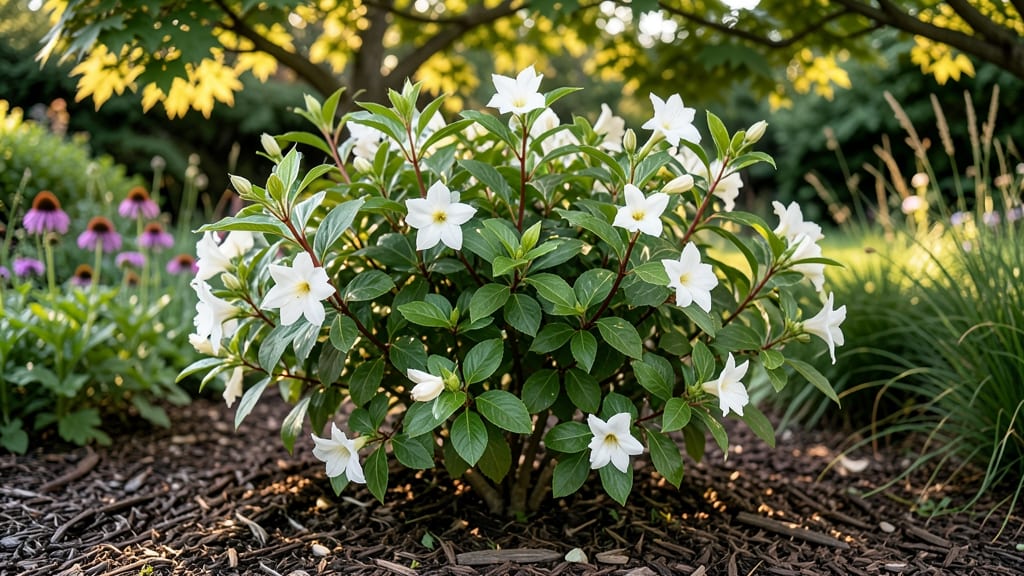
Growing a white flowering weigela 🌸 with nonstop summer blooms starts with the right pruning approach—and most gardeners get it wrong without even knowing it.
If your white flowering weigela is struggling to produce the lush, continuous blooms it’s famous for, the issue might not be the plant itself—but how (or when) you’re pruning it.
One wrong cut can send it into a two-year bloom drought, while the right technique turns it into a flowering powerhouse.
Weigela thrives in zones like 6a when planted in spring, but its blooming schedule depends entirely on your pruning timing. Cut too early, and you’ll sacrifice next summer’s flowers; wait too long, and you risk stunting new growth.
The secret? A late-winter or early-spring trim that shapes the shrub and encourages fresh blooms.
In this guide, I’ll walk you through the exact steps to prune your weigela for maximum blooms, fix common mistakes that kill flowering, and even recommend the best low-maintenance varieties for effortless summer color.
When and how to prune white weigela for maximum blooms
Your white flowering weigela can produce stunning, nonstop blooms—but only if you prune it at the right time and with the right technique.
Unlike many shrubs, weigela blooms on new wood, meaning aggressive pruning in late winter or early spring stimulates fresh growth that leads to abundant summer flowers. If you’ve been pruning at the wrong time or too harshly, your plant might be struggling to rebloom.
Timing is everything with weigela. The best pruning window is late winter to early spring, just as new growth begins but before buds swell. This ensures you remove dead or weak branches while encouraging vigorous new shoots that will produce continuous blooms from early summer through fall.
Avoid pruning in late summer or fall, as this can reduce next year’s flowers.
Step-by-Step Pruning Guide for White Weigela
-
Step 1: Choose the Right Tools
Use clean, sharp pruners or loppers for branches thicker than ½ inch. Disinfect tools with rubbing alcohol to prevent disease spread.
-
Step 2: Identify Dead or Weak Branches
Remove any dead wood, crossing branches, or stems growing inward. These compete with healthy growth for energy and nutrients.
-
Step 3: Prune for Shape and Airflow
Cut back overcrowded branches to improve air circulation and sunlight penetration. Aim for an open, rounded shape to encourage even blooming.
-
Step 4: Thin Out Old Wood
Select 3-5 strongest stems near the base and prune older stems back to ground level. This rejuvenates the shrub and promotes new, flowering growth.
-
Step 5: Lightly Trim New Growth (Optional)
After initial pruning, you can lightly trim new shoots in early summer to encourage a second flush of white blooms. Avoid heavy cuts.
-
Step 6: Clean Up and Mulch
Remove all pruned debris and apply a 2-inch layer of mulch around the base to retain moisture and suppress weeds.
When pruning, always cut just above a bud or leaf node at a 45-degree angle. This encourages faster healing and new growth from the right spot. Avoid leaving stubs, as they can rot or attract pests.
If your weigela is overgrown, don’t panic—gradual pruning over 2-3 years works best to avoid shock.
For maximum blooms, focus on rejuvenation pruning every 2-3 years. This means cutting back older stems to the ground to stimulate younger, more vigorous growth. Younger branches produce more flower buds, leading to that showstopping white display you love.
Just be patient—it may take a season or two for the plant to fully recover and rebloom.
Another pro tip: Feed your weigela with a balanced fertilizer (like 10-10-10) right after pruning in early spring. This gives your plant the nutrients it needs to produce lush new growth and abundant flowers.
Pair this with consistent watering (about 1 inch per week) to keep the soil moist but not soggy.
If you notice fewer blooms than usual after pruning, check for these common issues: over-pruning, poor sunlight, or nutrient deficiencies. Weigela thrives in full sun to partial shade, so if your plant is in too much shade, it may not bloom as heavily.
Move it to a sunnier spot next year if needed.
Finally, remember that white weigela is a low-maintenance shrub once established. With the right pruning timing and technique, you’ll enjoy nonstop blooms from early summer until frost. The key is patience and consistency—your efforts will pay off with a stunning, fragrant display year after year.
Ready to transform your weigela into a bloom machine? Grab your pruners, follow these steps, and get ready for a showstopping summer garden! 🌸✂️🌿
Common pruning mistakes that kill weigela blooms (and how to fix them)
Your white flowering weigela might be struggling to produce those stunning continuous blooms because of pruning mistakes you’re making without realizing it. Weigelas are forgiving, but they bloom on old wood, meaning last year’s growth holds next year’s flowers. One wrong cut can mean fewer blooms—or none at all.
Even experienced gardeners accidentally prune at the wrong time or cut too aggressively, thinking they’re helping. The truth? These mistakes stimulate leafy growth instead of flower buds, leaving your shrub looking lush but barren. Let’s fix that with science-backed corrections.
1. Pruning after mid-summer – New growth can’t harden off before winter, leading to fewer buds for next season.
2. Cutting back more than 1/3 of the plant – Over-pruning removes flowering wood and stresses the shrub.
3. Removing flower stems after they fade – Deadheading white weigela blooms too late encourages seed production instead of new flowers.
Let’s start with the biggest culprit: pruning at the wrong time. Many gardeners reach for their shears in late summer or fall, thinking they’re tidying up.
But weigelas set flower buds in late summer—cutting then removes next year’s blooms. The fix? Prune in late winter or early spring, before new growth starts.
Another common error is cutting too close to old wood. When you prune back to bare stems, you’re removing flowering wood that holds next year’s buds.
Instead, leave 2-3 buds above each cut to encourage new growth that will still flower. Think of it like saving next year’s blooms while shaping your plant.
Don’t forget about deadheading—but do it right! For white weigela, remove spent blooms only up to the first set of leaves after flowering. This prevents seed formation and redirects energy into new flower production.
If you cut back to bare stems, you’re signaling the plant to focus on leafy growth instead of blooms.
Finally, avoid over-pruning to shape your weigela. While it’s tempting to give it a hard trim for a neat look, cutting back more than 1/3 of the plant stresses it and reduces flowering. Instead, prune gradually over 2-3 years to maintain shape without sacrificing blooms.
With these fixes, your white flowering weigela will bounce back with vibrant, continuous blooms all season. The key is timing, precision, and patience—your shrub will thank you with showstopping flowers year after year. 🌸✂️🌿