
Flowers
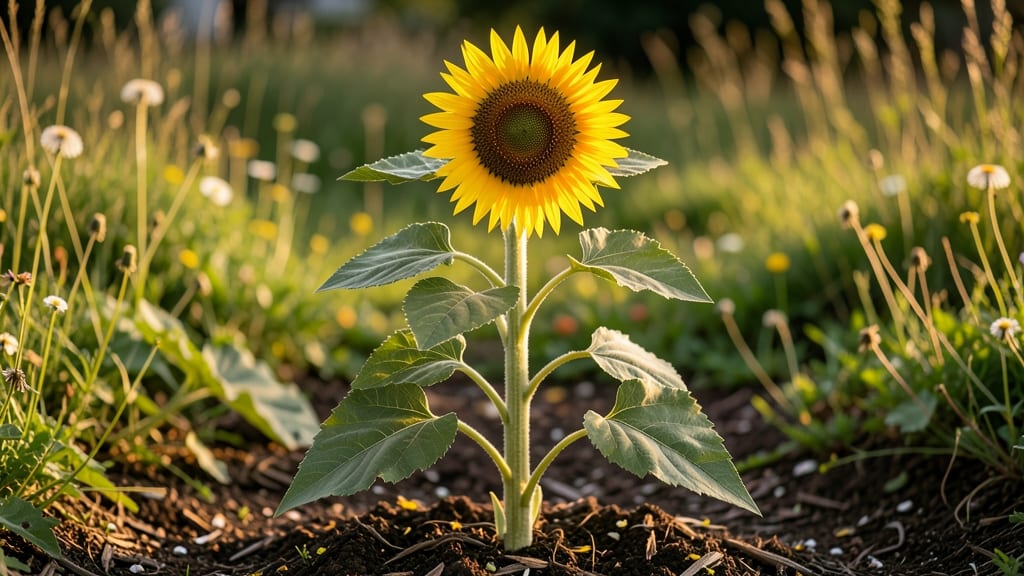
Sunflowers need full sun to reach their towering heights and burst into vibrant blooms 🌻 — at least 6 to 8 hours of direct sunlight daily is the golden rule for happy plants.
Picture this: your sunflowers stretching toward the sky, their stems strong and their faces bright—until they’re suddenly leaning, their leaves pale, and their blooms sparse. That’s the difference between a thriving garden star and a struggling understudy.
Sunlight isn’t just a preference; it’s the fuel that turns those 3-foot seedlings into 10-foot giants by summer’s end.
But what if your garden isn’t bathed in sunlight all day? Maybe you’re in a shady corner, working with containers, or just starting out and don’t know where to begin. The good news?
Sunflowers are adaptable, and with a few smart tweaks—like choosing the right variety or positioning them strategically—you can still grow stunning sunflowers, even if full sun isn’t an option.
In this guide, I’ll break down exactly how much sunlight sunflowers crave, how to spot when they’re not getting enough, and the best ways to give them the light they need—whether you’re planting in the ground, in pots, or squeezing them into a small urban space.
Let’s get those sunflowers soaking up the rays!

How much sun do sunflowers Really Need for Optimal Growth?
Sunflowers thrive under bright sunlight, but the minimum requirements often get misunderstood. While they technically survive with less, their height and bloom production suffer dramatically. Think of sunlight as their growth fuel—without enough, you’ll miss out on those iconic towering stems and vibrant faces.
Most gardeners assume full sun means 6+ hours daily, but sunflowers actually demand 8-10 hours for peak performance. This extra light boosts chlorophyll production, leading to thicker stems and larger blooms. Without it, you’re essentially growing a watered-down version of their full potential.
Here’s the science: Sunflowers are heliotropic, meaning their flower heads track the sun throughout the day. This behavior requires maximum light exposure to function properly. In partial shade, their growth slows, stems weaken, and flowering gets delayed—sometimes by weeks.
| Growth Stage | Minimum Sunlight | Ideal Sunlight | Impact of Shade |
|---|---|---|---|
| Seedlings (0-2 weeks) | 4 hours | 6-8 hours | Leggy growth, weak stems |
| Vegetative (2-6 weeks) | 6 hours | 8-10 hours | Slower height gain, pale leaves |
| Flowering (6-10 weeks) | 8 hours | 10+ hours | Delayed blooms, smaller heads |
| Maturity (10+ weeks) | 6 hours | 8-10 hours | Reduced seed production |
| Regional Note | Coastal areas | 6-8 hours | Humidity reduces sunlight effectiveness |
| Regional Note | Desert areas | 10+ hours | Intense sun requires extra water |
Regional differences play a huge role. In coastal climates with foggy mornings, sunflowers may need more direct afternoon sun to compensate. Meanwhile, in desert regions, their high light tolerance means they can handle 12+ hours—but you’ll need to water more frequently to prevent stress.
For container gardening, place pots in the sunniest spot available, even if it’s partial sun. Rotate containers weekly to ensure even light exposure. If your balcony only gets 4-6 hours, choose dwarf varieties like 'Teddy Bear' that tolerate lower light better.
One common misconception is that morning sun alone is sufficient. While morning light helps, afternoon sun (when the sun is highest in the sky) provides the most intense light sunflowers crave.
If your garden only gets morning sun, supplement with a reflective surface like white gravel or a mirror to bounce light.
Even established sunflowers can recover from short-term shade, but their growth rate slows significantly. If you notice leggy stems or pale leaves, it’s a sign they’re stretching for light. Move them immediately to a sunnier location or provide grow lights for 4-6 hours daily.
Pro tip: Use a sunlight tracker for a week to measure your garden’s actual light exposure. Apps like Sun Surveyor map sunlight patterns, helping you place sunflowers in the brightest spots. This small step can double your success rate.
Remember, sunflowers aren’t just sun-loving plants—they’re sun-dependent performers. Give them the light they crave, and they’ll reward you with stunning height and blooms that turn every
Signs your sunflowers aren’t getting enough light (and how to fix it)
Sunflowers are sun-worshippers at heart, and when they don’t get enough light, they’ll send you clear distress signals. The first clue is often leggy, weak stems that stretch desperately toward any available light source.
This happens because your sunflowers are phototropism in action—leaning to maximize what little sunlight they can access.
Another tell-tale sign is pale, yellowish leaves instead of the rich green you expect. These leaves lack the chlorophyll production needed for healthy growth, causing them to appear almost bleached out.
You might also notice smaller-than-expected blooms or flowers that fail to open fully, leaving you with underwhelming displays instead of show-stopping sunflowers.
⚠️ Sunflowers NEED Full Sun—Here’s Why
Sunflowers require 6-8+ hours of direct sunlight daily to thrive. Without enough light, they’ll stunt in growth, produce fewer seeds, and may even fail to flower. Even partial shade can reduce their height by 30-50% and weaken their structural integrity, making them prone to wind damage.
If your sunflowers are delaying flowering or taking much longer than expected to bloom, that’s another red flag. Sunflowers typically flower within 60-90 days of planting, but low-light conditions can stretch this timeline to 120+ days, leaving you with disappointing results by late summer.
To fix these issues, start by relocating your sunflowers to a sunnier spot in your garden. If you’re growing them in containers, move them to a south-facing patio or balcony where they can soak up more sunlight.
For indoor growers, supplement with a grow light placed 6-12 inches above the plants for 12-14 hours daily.
You can also maximize natural light by placing reflective surfaces like mirrors or white walls behind your sunflowers. This bounces extra light onto the plants, helping them photosynthesize more efficiently.
For urban gardens with limited space, consider vertical gardening techniques to position sunflowers closer to roofs or tall buildings that capture more sunlight.
Finally, if you’re dealing with shade from trees or structures, prune nearby branches to open up the canopy and allow more direct sunlight to reach your sunflowers. With these adjustments, you’ll see healthier stems, brighter blooms, and taller growth in just a few weeks. 🌻