
Flowers
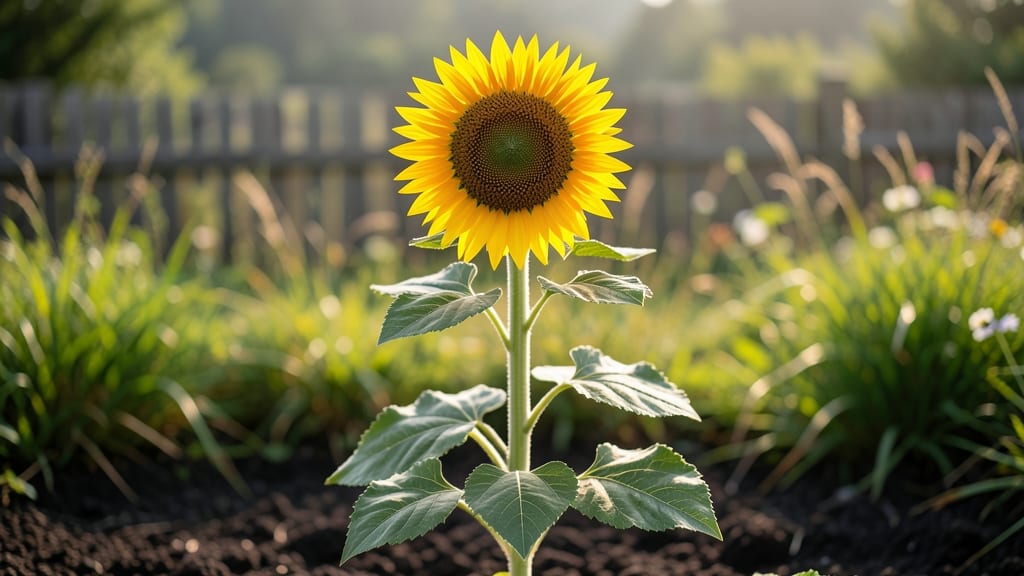
Sunflowers can grow anywhere from 1 foot to towering 16 feet tall, depending on the variety and growing conditions you provide.
Picture this: a giant sunflower 🌻 that blocks your view of the backyard fence, or a cluster of tiny ones perfect for container gardens. The difference isn't just about space—it's about the right seeds, soil, and sunlight.
I'll show you how to pick the perfect height for your garden and what to expect from each type.
Dwarf varieties stay compact at just 1-3 feet, making them ideal for small spaces or pollinator gardens. Meanwhile, standard types reach 5-10 feet, while true giants can stretch toward the sky at 12-16 feet.
The key to unlocking their full potential? Understanding how genetics, sunlight, and soil quality work together to shape their growth.
Whether you're planning a dramatic border or a cozy patio display, knowing these height ranges helps you space plants properly and avoid overcrowding. Let’s break down the varieties, factors that influence height, and how to choose the best sunflowers for your garden’s needs.


Sunflower height ranges by variety: from dwarf to giant
Sunflowers are nature's skyscrapers, and their height can vary dramatically depending on the variety you choose. Whether you're dreaming of a whimsical dwarf for container gardens or a towering giant as a backyard centerpiece, understanding these height ranges helps you plan your garden layout perfectly.
The right variety can transform your space from a modest flower bed to a dramatic vertical display.
From the tiny 'Teddy Bear' that barely reaches your knee to the 'Mammoth' variety that can dwarf a two-story house, sunflowers offer something for every garden size and style. Let's explore how these heights break down and what each variety brings to your outdoor space.
| Variety Type | Height Range | Best For | Growth Rate | Example Varieties |
|---|---|---|---|---|
| Dwarf | 1-3 ft | Containers, borders, pollinators | Slow to moderate | 'Teddy Bear', 'Moulin Rouge', 'Puck' |
| Semi-Dwarf | 3-6 ft | Cut flowers, small screens | Moderate | 'Autumn Beauty', 'ProCut', 'Island Seed' |
| Standard | 6-10 ft | Privacy screens, focal points | Fast | 'Russian Giant', 'Moulin Rouge', 'Sunspirit' |
| Giant | 12-16 ft | Dramatic displays, art projects | Very fast | 'Mammoth', 'Russian Giant', 'Giant Russian' |
The 'Teddy Bear' sunflower is one of the most popular dwarf varieties, perfect for children's gardens or small spaces. Its 2-3 foot height makes it ideal for containers and window boxes, while still attracting pollinators like bees and butterflies.
These varieties typically mature in 60-70 days, making them great for quick seasonal color.
For a more substantial presence, consider semi-dwarf varieties like 'Autumn Beauty', which reaches 4-5 feet and produces stunning bicolor blooms. These work beautifully in cut flower arrangements and can serve as low hedges or borders. Their moderate growth rate means they'll establish quickly without requiring constant attention.
When you're ready to make a statement, standard varieties like 'Russian Giant' will reach 8-12 feet, creating natural privacy screens or focal points in your landscape. These varieties often produce edible seeds and can be harvested for bird feeders or cooking.
Their rapid growth means they'll fill space quickly, providing instant impact in your garden design.
The true giants, like the 'Mammoth' sunflower, can reach 14-16 feet under ideal conditions, making them perfect for large gardens or as dramatic centerpieces. These varieties require more space and staking but offer unmatched visual impact.
Their massive flower heads can reach 12 inches across, creating a stunning focal point that draws attention from across the yard.
Remember that these heights are general guidelines—actual growth can vary based on your climate, soil quality, and care routine. In cooler climates, sunflowers may grow slightly shorter, while warm, sunny locations can encourage taller growth.
Proper spacing and support are essential, especially for taller varieties, to prevent them from toppling in wind or rain.
Whether you're planning a pollinator-friendly border, a cut flower garden, or a dramatic backyard feature, choosing the right sunflower height ensures your garden will thrive and impress. The key is selecting varieties that match both your space and your vision for the season.
🌻
Factors that influence sunflower height: soil, climate, and care
Sunflower height isn’t just about genetics—it’s a dance between what you provide and what nature delivers. Your soil quality, sunlight exposure, and even your watering habits can push those towering stems toward the sky or keep them grounded.
For example, a giant Russian sunflower might hit 14 feet with perfect care, but the same variety could stay under 10 feet in poor conditions. Let’s break down the key factors so you can grow sunflowers that match your vision—whether that’s a child-friendly border or a backyard skyscraper.
First, let’s talk about the foundation: soil nutrients. Sunflowers are heavy feeders, and their height depends on how well your soil supports their rapid growth. A nitrogen-rich soil fuels leafy growth, while phosphorus and potassium help roots anchor those towering stems.
If your soil is lacking, even the tallest varieties will struggle. I’ve seen Mammoth sunflowers (which can reach 12-16 feet) flop over like overgrown weeds when planted in nutrient-poor soil. Amending with compost or a balanced fertilizer at planting time can make a 30-50% difference in their mature height.
- 🌿 Soil Quality: Nutrient-rich soil (especially nitrogen) can increase height by 30-50% in ideal conditions.
- ☀️ Sunlight: 6-8 hours of direct sun daily is critical—less sun = shorter stems.
- 💧 Watering: Consistent moisture (1-2 gallons per plant weekly) prevents stunted growth.
- ✂️ Pruning: Removing side buds early can redirect energy to main stem height.
- 🌡️ Climate: Cooler temperatures slow growth; heatwaves can cause bolting (rapid height spikes).
Next up is sunlight exposure, the most critical factor for sunflower height. These plants are heliotropic, meaning they follow the sun’s path to maximize energy. If you’re growing sunflowers in a partial shade spot, expect their height to drop by 20-40%.
For instance, a ProCut variety (which typically grows 5-7 feet) might only reach 3-4 feet with insufficient light. To maximize height, plant sunflowers in the sunniest spot in your yard, ideally facing south.
If you’re in a high-rise apartment, a south-facing window with supplemental grow lights can help, though outdoor conditions will always yield taller results.
Watering might seem straightforward, but it’s often where gardeners unintentionally stunt their sunflowers. These plants need deep, consistent moisture, especially during their rapid growth phase. I’ve noticed that drought stress in early development can cause sunflowers to grow 2-3 feet shorter than their potential.
Water at the base of the plant in the morning to avoid fungal issues, and aim for 1-2 gallons per plant weekly. Overwatering is just as bad—it leads to weak stems that can’t support their own weight, causing them to flop or snap in windy conditions.
Finally, don’t underestimate the power of pruning and support. If you’re growing sunflowers for height**, remove side buds when they’re small to redirect energy to the main stem. This technique can add 1-2 feet to taller varieties like Autumn Beauty.
For shorter varieties (like Teddy Bear sunflowers), pruning isn’t necessary—they’re bred to stay compact. As for support, tall varieties (over 8 feet) often need stakes or cages to prevent them from toppling.
I’ve had 14-foot sunflowers collapse under their own weight—adding a bamboo stake at planting time can save you from heartbreak (and a fallen giant in your yard).
Putting it all together, you can control sunflower height based on your garden’s needs. Want a privacy screen? Choose a mid-height variety (like Moulin Rouge) and ensure full sun and rich soil. Dreaming of a statement piece?
Plant Russian Giant sunflowers in a sheltered, sunny spot with regular watering and pruning. With the right conditions, you’ll have sunflowers that not only reach their full potential but also become the showstopper of your garden. 🌻