
Planting
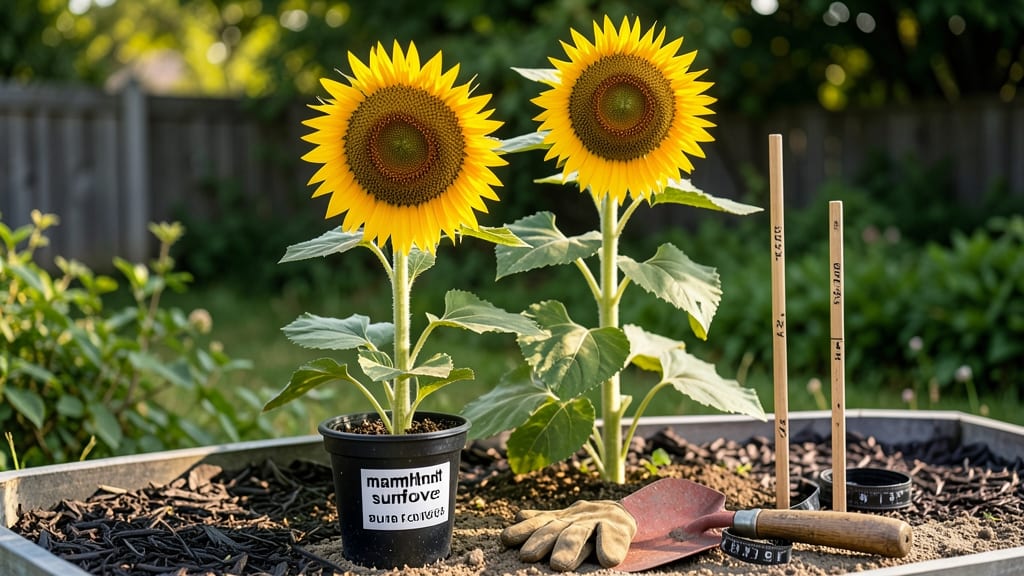
Planting Mammoth sunflowers with the right spacing is the key to those 12-foot giants standing tall instead of flopping over by summer.
Picture this: you’ve waited all spring for your 🌻 Mammoth Sunflowers to bloom, only to watch them lean like drunken giants by July. That’s the classic sign of spacing gone wrong—and it’s easier to fix than you think.
Too close, and they compete for sunlight and nutrients, leaving you with weak stems. Too far apart, and you waste garden space on towering shadows. The sweet spot? 18 to 24 inches between plants, adjusted for your soil, sun, and wind.
In this guide, I’ll break down the exact distances for your garden, plus pro tips to keep those stems sturdy—whether you’re growing in full sun or squeezing them into a small space.
Optimal Mammoth sunflower spacing by growing conditions: sun, soil & variety
Mammoth sunflowers need precise spacing to thrive, but the right distance depends on your garden's unique conditions. Sunlight exposure, soil type, and variety selection all influence how far apart to plant these giants.
Get it wrong, and you'll end up with flopping stems or stunted growth. Let's break down the science-backed spacing guidelines tailored to your growing conditions.
For full sun gardens (6+ hours of direct sunlight), most Mammoth varieties need 18-24 inches between plants. This spacing ensures each stem gets adequate airflow and sunlight to reach their 10-16 foot potential.
In partial shade (3-6 hours of sun), reduce spacing to 12-18 inches since plants grow slower and need less room to compete for light.
Soil type plays a critical role too. In heavy clay soil, increase spacing to 24-30 inches to prevent root competition and waterlogging. Conversely, in light sandy soil, you can plant closer (12-18 inches) because these soils drain quickly and support faster root growth.
| Growing Condition | Variety Examples | Optimal Spacing (inches) | Notes |
|---|---|---|---|
| Full Sun, Loamy Soil | Russian Giant, Mammoth Russian | 18-24 | Ideal for maximum height |
| Partial Shade, Clay Soil | Mammoth Single, Autumn Beauty | 12-18 | Reduce competition in dense soil |
| Full Sun, Sandy Soil | Mammoth Russian | 12-16 | Faster growth, closer spacing OK |
| Wind-Prone Areas | All Mammoth Varieties | 24-36 | Prevents flopping from wind |
| Container Growing | Any Dwarf Variety | 12-18 (per 5-gallon pot) | Use trellis for support |
The Russian Giant variety, known for its 12-16 foot stems, requires the most space (24 inches) in full sun. Meanwhile, Mammoth Single varieties can tolerate 18 inches spacing since they're slightly shorter (10-14 feet).
Always check your seed packet for variety-specific recommendations, as some modern hybrids are bred for closer spacing.
Wind exposure dramatically affects spacing needs. In open, windy areas, increase spacing to 24-36 inches to prevent stems from bending or breaking. I've seen 14-foot sunflowers topple over in gusty conditions—adding extra space gives them room to sway without collapsing. For extra protection, plant windbreaks like corn or tall grasses on the windward side.
If you're growing Mammoth sunflowers in containers, the rules change slightly. Use 5-gallon pots minimum and space plants 12-18 inches apart. The key is providing sturdy support like bamboo stakes or trellises, as container-grown sunflowers need extra help staying upright.
I recommend planting just one mammoth sunflower per container to avoid root competition.
For heavy clay soil, improve drainage by mixing in compost or sand before planting. This helps prevent waterlogged roots while still allowing you to maintain 18-24 inch spacing.
In sandy soil, add organic matter like peat moss to retain moisture—this lets you plant slightly closer (12-18 inches) without stressing the plants.
Remember that proper spacing isn't just about preventing overcrowding—it's about creating an environment where each plant can access the sunlight, water, and nutrients they need to reach their full potential. When done right, your Mammoth sunflowers will stand tall and proud, turning heads all summer long.
Start with these guidelines, then adjust based on your specific garden conditions. The first year is always a learning experience—take notes on how your plants perform and refine your spacing strategy for next season. Happy growing!
How to space Mammoth sunflowers for maximum height without flopping
Mammoth sunflowers can reach 12-16 feet tall, but their towering beauty often collapses when spacing is ignored. The key to upright stems lies in strategic spacing—18-24 inches apart for in-ground planting—plus smart support systems.
Without proper spacing, stems compete for nutrients, leading to weak, floppy growth that snaps under their own weight or wind.
I’ve learned from trial and error that trellis integration and companion planting can transform flopping giants into sturdy showstoppers. For example, planting marigolds nearby deters pests while bamboo stakes provide hidden support. Even windbreaks made from cornstalks can make a difference in exposed gardens.
⚠️ Critical Spacing Mistakes to Avoid
Overcrowding is the #1 cause of flopping. Never plant closer than 12 inches—even young seedlings need room to develop strong stems. Poor soil prep (like compacted or nutrient-poor dirt) weakens roots, making stems more prone to bending. And skipping staking is a recipe for disaster when stems exceed 8 feet tall.
Pro Tip: Test soil drainage before planting. Mammoth sunflowers hate soggy roots, which rot stems at the base and cause sudden collapse.
For windy areas, increase spacing to 30-36 inches and install windbreaks or trellises on the prevailing wind side. I once grew a Mammoth Russian variety in a breezy spot—without support, it leaned dramatically.
Adding a 3-foot bamboo stake at planting time and tying the stem loosely with soft garden twine every 2 feet kept it upright.
Companion planting with tall grasses like switchgrass or corn creates a natural windbreak while adding vertical interest. The grasses also stabilize soil during heavy rains, reducing stem stress. Just avoid planting near tomatoes or potatoes, which compete for nutrients and weaken sunflower growth.
If your garden is small or urban, consider container growing with 5-gallon pots and individual trellises. I’ve successfully grown Mammoth Sunflowers in 12-inch pots on patios by using tomato cages for support. The key is one plant per container and deep watering to compensate for limited root space.
Finally, mulch heavily around the base with straw or wood chips to retain moisture and prevent stem rot. I’ve seen flopping stems recover when given extra support and consistent care—proof that even late fixes can work.
With the right spacing and a little extra attention, your Mammoth Sunflowers will stand tall all season.