
Flowers
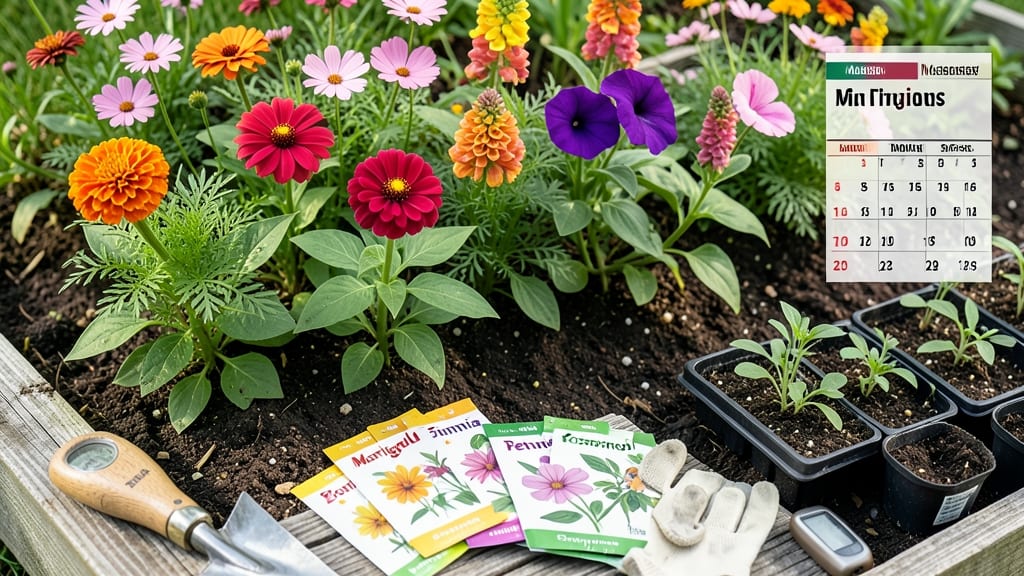
Planting flower seeds in Massachusetts at the right time means the difference between a burgeoning garden and a frost-killed disappointment.
Massachusetts gardeners know timing is everything—plant flower seeds too early, and frost will kill your dreams; too late, and your blooms arrive after summer’s peak.
With USDA zones 5b-6b and unpredictable spring weather, the key is knowing when to start seeds indoors and when to sow directly after the last frost—typically around April 15.
Below, I’ll break down the exact planting windows for your favorite annuals and perennials, plus pro tips to extend your blooming season from spring to fall.
Massachusetts flower seed planting calendar by hardiness zones (5a-7a)
Massachusetts spans USDA hardiness zones 5a-7a, meaning frost dates vary dramatically between coastal areas (warmer) and inland regions (colder). For zone 5a, last frost typically arrives May 1-15, while zone 7a sees it as early as April 1-15.
This variation means your planting timeline must account for microclimates—even neighboring towns may have 2-week differences in frost dates.
To succeed, focus on soil temperature (seeds need 40-70°F to germinate) and moisture consistency. Coastal areas like Providence or Cape Cod can plant earlier, while inland spots like Worcester or Springfield should wait until after May 15 for cold-sensitive varieties.
Always check your local frost-free date using the USDA Plant Hardiness Zone Map.
| Month | Zone 5a (Last Frost: May 1-15) | Zone 6a (Last Frost: April 20-May 5) | Zone 7a (Last Frost: April 1-15) | Soil Temp (°F) | Best Flowers |
|---|---|---|---|---|---|
| February | Start cool-season indoors (e.g., snapdragons, pansies) | Start cool-season indoors (e.g., calendula, stock) | Start cool-season indoors (e.g., lobelia, dianthus) | 55-65°F | Biennials, winter-hardy perennials |
| March | Direct sow hardy seeds (e.g., sweet peas, lupines) | Direct sow hardy seeds (e.g., poppies, cornflowers) | Direct sow hardy seeds (e.g., snapdragons, stock) | 45-55°F | Early spring-bloomers, cool-loving annuals |
| April | Transplant cool-season starts; direct sow marigolds, nasturtiums | Transplant cool-season starts; direct sow cosmos, zinnia | Transplant cool-season starts; direct sow sunflowers, black-eyed susans | 50-60°F | Heat-tolerant annuals, perennials |
| May | Direct sow warm-season seeds (e.g., beans, sunflowers) | Direct sow warm-season seeds (e.g., tomatoes, marigolds) | Direct sow warm-season seeds (e.g., peppers, basil flowers) | 60-70°F | Summer-blooming annuals, herbs |
| June-August | Sow late-season flowers (e.g., cosmos
Best flowers to plant as seeds in Massachusetts (and when to start indoors)Massachusetts gardeners can enjoy vibrant blooms year-round by choosing the right flowers and planting them at the perfect time. Some varieties thrive when started indoors weeks before the last frost, while others can be sown directly into the garden after warm soil temperatures arrive. For cool-season flowers like pansies and snapdragons, I recommend starting seeds indoors in March for early spring blooms. These hardy annuals handle light frosts and brighten up gardens as soon as temperatures rise above 40°F (4°C).
For summer-blooming favorites, I always direct-sow seeds after the last frost date. Cosmos and marigolds are my top picks—they germinate quickly in warm soil and thrive in Massachusetts’ full-sun conditions. Don’t overlook perennials like black-eyed Susans and coneflowers. These hardy plants can be sown directly in late spring (May) and will reward you with years of blooms with minimal care. For fall interest, I recommend starting foxglove and hollyhocks indoors in July. These biennials need time to establish roots before winter, so early starts ensure stunning next-spring blooms. Pro tip: Always check your local frost dates—Massachusetts’ first frost can arrive as early as October 15, so plan accordingly to avoid losing tender seedlings. |