
Flowers
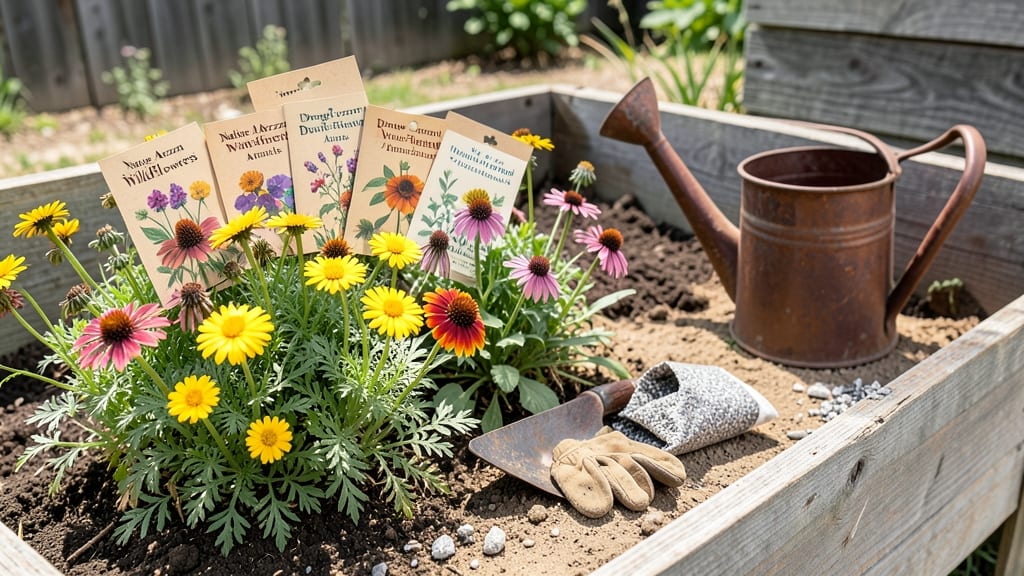
Planting flowers in Arizona requires timing them for fall and early winter—when temperatures dip just enough for roots to establish before the brutal summer heat arrives.
Picture this: you’ve picked out your favorite 🌸 desert marigolds or fragrant bougainvillea, only to watch them wilt in the 110°F sun because you planted too late. Arizona’s climate is unforgiving, but with the right schedule, you can beat the heat and enjoy blooms year-round.
The key is knowing when to plant cool-season flowers (like snapdragons) versus heat-lovers (like lantana), and how to prep soil for Arizona’s 9b zone—where frost is rare but summer drought is real.
I’ll walk you through the exact months to plant, the best varieties for each season, and how to avoid the three mistakes that kill Arizona gardens.
By the end, you’ll have a step-by-step calendar tailored to Phoenix, Tucson, and Flagstaff, plus pro tips to keep your flowers thriving even when the thermometer hits triple digits.
Arizona flower planting calendar by month: best heat-tolerant flowers
Arizona’s extreme heat and short frost-free seasons demand smart planting timing. Unlike northern climates, Arizona’s USDA Zone 9b allows year-round gardening—but some months are far better than others. Cool-season flowers thrive in fall and winter, while heat-lovers like bougainvillea and desert marigolds wait for spring and summer to shine.
Phoenix and Tucson’s low desert (Zone 10a) can plant almost anytime, but Flagstaff’s high desert (Zone 7b) needs cooler timing. The key? Avoid planting during monsoon season (July-August)—soil stays soggy, and seedlings drown. Instead, focus on September-October for cool-season blooms and February-March for heat-tolerant varieties.
Last frost dates vary wildly: Phoenix rarely sees frost, while Flagstaff may hit 20°F in winter. For Phoenix/Tucson, no frost risk means you can plant annuals year-round, but perennials still need seasonal care. In Flagstaff, wait until May 15 for heat-lovers and September 1 for cool-season flowers.
| Month | Best Flowers to Plant | Key Conditions | Notes for Arizona |
|---|---|---|---|
| September | Pansies, Snapdragons, Calendula, Sweet Alyssum | 60-75°F, well-draining soil, morning sun | Ideal for cool-season blooms; avoid watering at night. |
| October | Dianthus, Stock, Larkspur, Sweet Peas | 50-65°F, partial shade, mulch for roots | Perfect for Flagstaff’s cooler temps; protect from wind. |
| November | Cyclamen, Primrose, Violas, Sweet William | 45-60°F, shade cloth if needed, drip irrigation | Best for Phoenix’s mild winters; use shade cloth for high sun. |
| February | Desert Marigold, Blanket Flower, Lantana, Zinnias | 70-80°F, full sun, sandy soil | Start heat-tolerant annuals; water deeply but infrequently. |
| March | Bougainvillea, Hibiscus, Gaillardia, Portulaca | 80-90°F, drought-resistant soil, minimal water | Transplant perennials after last frost; mulch to retain moisture. |
| April | Sunflowers, Cosmos, Marigolds, Petunias | 85-95°F, full sun, gravel mulch | Avoid planting in peak heat (May-July); use shade cloth for seedlings. |
For Phoenix and Tucson, September-October is prime time for cool-season flowers like pansies and snapdragons. These blooms thrive in 50-70°F soil and morning sunlight, avoiding the afternoon’s brutal heat. In Flagstaff, wait until May 15 to plant heat-lovers like blanket flower—earlier plantings risk frost damage.
My pro tip: Use shade cloth for spring seedlings in Phoenix (temps hit 100°F+ by April). For Flagstaff’s high desert, extend the season with row covers in late fall. Both regions benefit from mulching—use gravel or straw
Top 5 heat-tolerant flowers for Arizona gardens and when to plant them
Arizona’s brutal summers demand flowers that thrive in 110°F+ temperatures without wilting. These top 5 heat-tolerant flowers are battle-tested for desert conditions, offering vibrant blooms year-round with minimal fuss. I’ve planted them all in my Phoenix garden, and they’ve never failed me—even during monsoon downpours or scorching July afternoons.
Timing is everything in Arizona. Plant too early, and your flowers may bolt in the heat. Too late, and they’ll struggle to establish roots before winter chills arrive. The ideal planting window for most heat-lovers is September through November, when temperatures start cooling but before winter rains.
For annuals like Lantana, you can also plant in February for summer-long color.
Let’s start with Desert Marigold (Baileya multiradiata), my go-to for golden blooms that laugh at 115°F. This native Arizona beauty thrives in full sun and well-draining soil, making it perfect for rocky desert landscapes.
Plant seeds September through November for spring blooms, or sow in February for summer color. Water deeply once a week after establishment—overwatering is the #1 killer of these tough perennials.
Blanket Flower (Gaillardia) earns its name by creating colorful "blankets" of blooms from summer through fall. These drought-proof powerhouses love 6+ hours of sun daily and poor, sandy soil—ideal for Arizona’s alkaline conditions. Plant October to November for best results, and pinch back early blooms to encourage bushier growth. I’ve seen them thrive with zero supplemental water once established, though they’ll reward you with bigger blooms if you water every 2 weeks during extreme heat.
For nonstop summer color, nothing beats Lantana. This heat-loving annual produces clusters of tiny, fragrant flowers in pink, yellow, or orange hues that attract hummingbirds and butterflies. Plant February to March for summer blooms or September to October for fall-winter color.
Lantana is drought-tolerant once established, but young plants need weekly watering until roots develop. Just be prepared for it to spread aggressively—it’s worth it for the months-long blooms.
If you want tall, dramatic flowers that handle Arizona’s heat, try Mexican Sunflower (Tithonia rotundifolia). These 6-foot giants produce bright orange-red blooms that last from summer through fall. Plant September to November for next year’s growth, as they’re tender perennials that die back in winter.
Give them full sun and rich soil, and water deeply every 10 days during dry spells. They’re self-seeding, so you’ll likely get volunteers popping up year after year.
Finally, for year-round color, Bougainvillea is unbeatable. This tropical beauty thrives in Arizona’s heat, producing vibrant pink, purple, or orange bracts that never quit. Plant February to March when temperatures are mild, as young plants can’t handle summer heat when first planted.
Mature bougainvillea needs full sun and minimal water—water every 2 weeks in summer, less in winter. Prune after blooming to encourage bushier growth, and watch it climb trellises or spill over walls with stunning color.