
Flowers
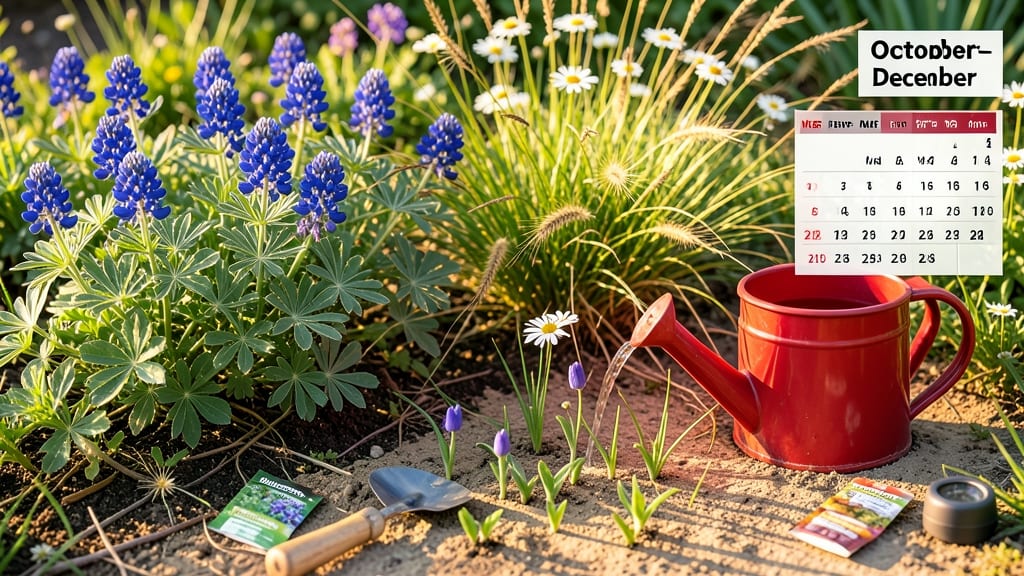
Planting flowers in Texas means timing it right to beat the heat or avoid frost, since your USDA zones 8a-11 can shift from freezing winters to 100°F summers in a single season.
Texas gardeners know timing is everything—plant too early and risk frost damage, too late and miss peak blooms. Mastering the perfect planting window transforms your garden from lackluster to showstopping, but Texas’ diverse climate zones complicate things.
Cool-season blooms like pansies and snapdragons thrive when planted in September-October, while warm-season favorites such as lantana and salvia wait until March-April after the last frost.
Below, I break down the exact frost-free dates by region, the best flowers for each season, and pro tips to stretch your blooms longer—so you can enjoy year-round color without the guesswork.
Texas frost-free dates by region: the critical timeline for flower planting
Texas spans USDA hardiness zones 7a through 11, creating dramatic differences in frost-free dates across regions. In North Texas (zones 7a-8a), gardeners face earlier frosts and longer winters, while South Texas (zones 9a-11) enjoys year-round growing potential with minimal frost risk.
Understanding these critical planting windows ensures your flowers thrive without frost damage.
For annual flowers, timing matters most—plant cool-season varieties (pansies, snapdragons) 6-8 weeks before your average last frost date, and warm-season favorites (marigolds, zinnias) only after the final frost has passed. Perennials offer more flexibility but still benefit from early spring or fall planting to establish strong root systems before extreme heat or cold.
The summary table below breaks down frost-free dates by Texas region, including last frost averages, ideal planting windows, and seasonal recommendations for both annuals and perennials. Use this as your garden calendar to maximize blooms and avoid costly mistakes.
Pro Tip: Bookmark this timeline and check your local weather forecasts 2 weeks before key dates. A sudden cold snap in March can still threaten tender seedlings in North Texas, while South Texas may experience unexpected light frosts in January. Always have frost cloth on hand for emergencies!
In North Texas, where frost lingers until mid-March, focus on cool-season flowers like calendulas and sweet alyssum for early spring color. These hardy annuals tolerate light frosts and bloom quickly, giving you vibrant displays before summer heat arrives.
For perennials, plant black-eyed Susans or coneflowers in early spring to establish roots before summer.
Central Texas offers a longer growing season, with last frosts around late February. This region is perfect for succession planting: start warm-season annuals like zinnias in March, then follow with
Best flowers to plant by Texas season: matching blooms to climate zones
Texas’ diverse climate zones mean your flower planting schedule should shift from North to South. Cool-season blooms like pansies thrive in North Texas winters, while heat-loving lantana dominates South Texas summers. Let’s match your local zone to the perfect seasonal flowers for year-round color.
For North Texas (Zones 7b-8a), focus on frost-tolerant annuals like snapdragons and calendulas in fall, then transition to zinnia and marigold after the last frost. Central Texas (Zones 8a-8b) gardeners enjoy longer growing seasons—plant pansies in November and salvia in March for continuous blooms.
Drought-resistant picks like blanket flower and blackfoot daisy shine in South Texas, where water conservation is key. These native perennials demand minimal care while attracting pollinators all season. For Central Texas, salvia and lantana thrive in full sun and poor soil, making them ideal for low-maintenance gardens.
In North Texas, prioritize early bloomers like pansies and snapdragons for fall color, then swap for heat-loving zinnias in spring. Succession planting these annuals every 4-6 weeks ensures nonstop blooms from March to October. Pro tip: Mulch heavily in winter to protect roots from freezing temperatures.
For urban gardeners in heat islands, opt for container-friendly flowers like petunias or geraniums. These thrive in pots with well-draining soil and regular watering. Pair them with self-watering planters to reduce summer stress during 100°F+ days.
Don’t forget native wildflowers like bluebonnets (state flower!) for Texas Proud gardens. Plant them in fall for spring blooms—they’re drought-tolerant and low-maintenance, perfect for xeriscaping. Combine them with Mexican feather grass for textural contrast and year-round interest.