
Plants
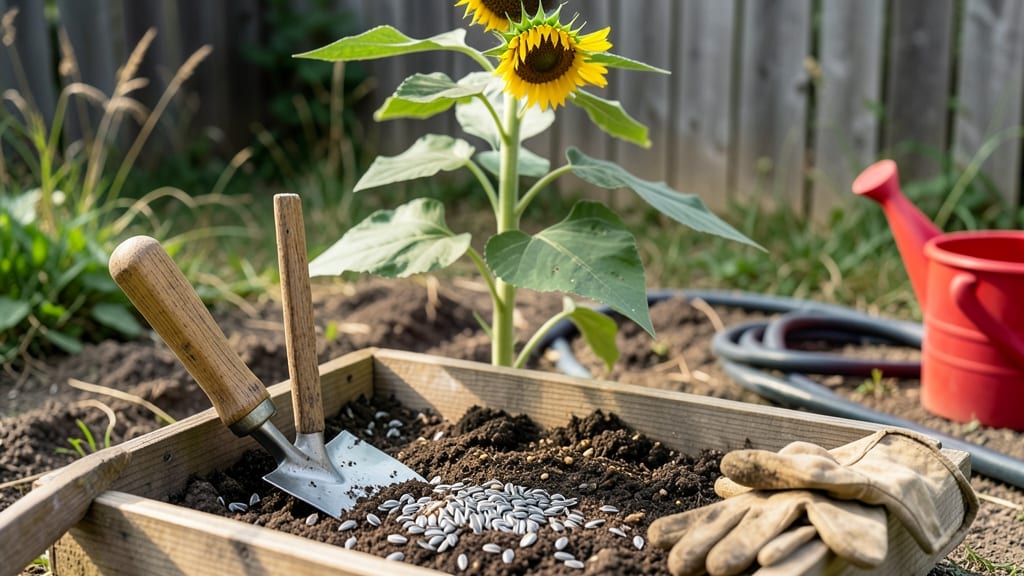
Planting sunflower seeds in Texas at the right time means the difference between towering, drought-resistant blooms and wilting disappointment before they even sprout.
Sunflowers 🌻 thrive in Texas’ long, hot summers—but planting them at the wrong time can mean wilted dreams before they even bloom. Timing is everything for these drought-resistant giants, and getting it right ensures towering stems and vibrant blooms that attract pollinators all season.
Texas’ climate varies wildly from region to region, so there’s no one-size-fits-all answer. North Texas gardeners can start as early as February, while Central and South Texas zones wait until March or April to avoid late frosts that can devastate young seedlings.
In this guide, I’ll break down the best planting months for your specific Texas region, how to adjust for extreme heat and drought, and which sunflower varieties hold up best in 100-degree summers—so you can grow sunflowers that reach their full potential.
Best planting months for sunflowers in Texas by region
Texas' diverse climate—from the Panhandle's chilly winters to South Texas' scorching summers—means sunflower planting timing varies dramatically by region. Getting the soil temperature and frost dates right prevents stunted growth or bolted seeds.
Let’s break down the ideal windows for North, Central, and South Texas to maximize those iconic sunflower blooms.
Sunflowers are fast-growing annuals that thrive in warm soil (50°F+), but Texas’ heat tolerance varies by zone. Plant too early in North Texas, and frost can nip seedlings. Plant too late in South Texas, and extreme summer heat may stress them before they mature.
The key? Align planting with your region’s last frost date and heat peaks.
North Texas (Zones 7b-8a): Average last frost is February 15, and summers hit 95°F+ by June. This means your window is tight—plant February through early April for blooms before the peak heat. Varieties like 'Moulin Rouge' handle heat better but still need consistent moisture during establishment.
Central Texas (Zones 8a-8b): With last frosts around February 1 and hotter, drier summers, you’ve got flexibility. Aim for March through May to avoid June’s brutal heat. This region’s caliche soil drains quickly, so amend with compost to retain moisture for young plants.
South Texas (Zones 9a-11): Frost is rare after January 1, and summers are year-round heat. Plant February through April to beat the worst humidity and pests. Dwarf varieties like 'Teddy Bear' thrive here, as they mature faster before summer’s end.
| Region | USDA Zone | Last Frost Date | Best Planting Months | Key Climate Factor | Recommended Variety |
|---|---|---|---|---|---|
| North Texas | 7b-8a | February 15 | February–April | Early frost risk + 95°F+ heat by June | 'Moulin Rouge' (heat-tolerant) |
| Central Texas | 8a-8b | February 1 | March–May | Caliche soil + drought conditions | 'Autumn Beauty' (drought-resistant) |
| South Texas | 9a-11 | January 1 | February–April | Year-round humidity + pests | 'Teddy Bear' (fast-maturing) |
For North Texas gardeners, the February–March window is critical—plant too late, and your sunflowers may bolt before blooming. Use row covers if an unexpected frost hits, as young seedlings are frost-sensitive. In Central Texas, March plantings give roots time to establish before summer’s dry heat kicks in.
South Texas growers have the longest growing season, but humidity and pests like aphids can derail progress. Plant dwarf varieties in February to avoid the peak pest season in July. Always space seeds 6 inches apart—crowding stresses plants in high-heat zones.
Regardless of region, soil prep is non-negotiable. Sunflowers hate compacted soil, so till in 2 inches of compost before planting. In drought-prone areas, add mulch to retain moisture. Morning watering (before 10 AM) prevents fungal diseases in Texas’ humid afternoons.
Pro tip: Direct-sow seeds—sunflowers hate transplanting. Drop seeds 1 inch deep and thin seedlings to 12–18 inches apart (depending on variety). For extended blooms, stagger plantings every 2 weeks in Central/South Texas.
Watch for bird damage—sunflower seeds are a bird buffet. Use mesh cages for young plants until stems are 3 feet tall. With the right timing, your Texas sunflowers will reach 10+ feet and attract pollinators all season.
🌻
How to adjust sunflower planting for Texas’ extreme heat and drought
Texas’ scorching summers and unpredictable droughts can turn sunflower dreams into wilting disappointments if you don’t adjust your planting strategy. The key is preparing your soil and plants to handle 100°F+ temperatures while conserving moisture.
With the right techniques, you can extend the growing season and still enjoy vibrant blooms that attract bees and birds all summer long.
Start by choosing heat-tolerant varieties like ‘Autumn Beauty’ or ‘ProCut Hybrid,’ which thrive in Texas’ climate. These varieties mature faster and handle drought better than traditional types. Pair them with soil moisture tricks like mulching and shade cloth to give your sunflowers the best chance to flourish in extreme conditions.
- 1. Soil Prep: Amend soil with 3 inches of compost and 1 inch of mulch to retain moisture and regulate temperature.
- 2. Shade Cloth: Use 30-50% shade cloth during peak afternoon heat (12 PM - 4 PM) to prevent wilting.
- 3. Deep Watering: Water deeply 2-3 times per week at soil level (not leaves) to encourage deep root growth.
- 4. Heat-Tolerant Varieties: Plant ‘Autumn Beauty’ or ‘Moulin Rouge’—they handle heat better than standard types.
- 5. Late Planting: Sow seeds in late April or May for a fall harvest, avoiding the worst summer heat.
Before planting, test your soil’s moisture retention by digging a hole and checking how quickly it drains. Sandy soils dry out fast, so mix in organic matter like compost or coconut coir to improve water-holding capacity. For clay soils, add perlite or coarse sand to prevent compaction and improve aeration.
Once your sunflowers are in the ground, monitor their water needs closely. Young seedlings require consistent moisture, but mature plants can handle drought-like conditions once established.
Water deeply in the early morning to reduce evaporation and fungal risks. Avoid overhead watering, which can lead to leaf diseases in Texas’ humid summers.
If you’re planting in South or West Texas, consider using drip irrigation to deliver water directly to the roots. This method saves water and keeps foliage dry, reducing the risk of powdery mildew and other heat-related stress.
Pair it with mulch rings around each plant to lock in moisture and cool the soil.
For gardeners in North or Central Texas, focus on late spring or early summer planting (April-May) to avoid the hottest months. Choose shorter varieties like ‘Teddy Bear’ if you’re concerned about wind damage or limited space. These sunflowers bloom faster and handle heat better than their towering cousins.
With these adjustments, your sunflowers will thrive even in Texas’ toughest conditions. Keep an eye on their progress, and don’t hesitate to provide extra shade or water during heatwaves. The result? A garden full of golden blooms that bring joy—and pollinators—all season long. 🌻