
Flowers
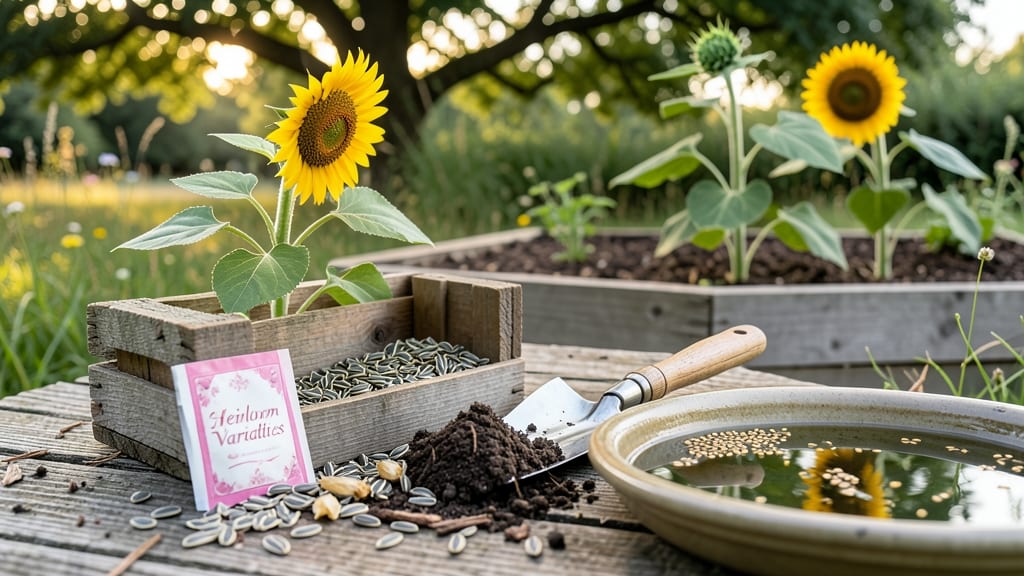
Planting sunflowers in Texas for doves means timing your seeds so they ripen just as these birds arrive for their spring and fall feasts.
Sunflowers aren’t just stunning garden centerpieces—they’re a dove magnet that can transform your Texas landscape into a wildlife haven. But timing is everything: plant too early, and you risk frost; too late, and your feathered visitors might miss the feast.
In North Texas (Zones 7-8), aim for February to April—after the last frost but before summer’s brutal heat sets in. Central and South Texas gardeners (Zones 8-10) can start as early as January, giving seeds time to mature before dove migration peaks.
Below, I’ll break down the best planting windows by region, the sunflower varieties doves love most, and pro tips to turn your garden into a dove hotspot—without overcomplicating the process.
Best sunflower planting months in Texas by region for dove attraction
Texas gardeners know timing is everything when it comes to sunflower planting for doves. The Lone Star State's diverse climate—from chilly North Texas to balmy South Texas—means different planting windows for each region.
To attract doves during their peak migration (spring and fall), you’ll need to align your planting schedule with both frost dates and sunflower maturity timelines. Doves rely on sunflower seeds as a critical food source, so getting the timing right ensures they’ll visit your garden year after year.
Doves prefer sunflower seeds when they’re fully mature but still fresh. That means planting at the right time to have seed heads ready by late spring and early fall, when doves are most active.
In North Texas (Zones 7-8), frost can still threaten early plantings, while South Texas (Zones 9-10) offers a longer growing season. Even Central Texas (Zones 8-9) has its own sweet spot for planting to avoid summer heat stress while ensuring seed availability for doves.
Below is your region-specific planting calendar, complete with recommended sunflower varieties that doves adore and frost-free growing windows. This ensures your sunflowers will be tall, seed-rich, and ready when doves need them most.
🌱
For North Texas gardeners, the ideal planting window is between mid-February and April. This timing accounts for the last frost date of March 15 and ensures sunflowers mature by late spring, when doves are actively foraging.
Varieties like Mammoth and Russian Giant are excellent choices—they produce large seed heads that doves can’t resist. Plant seeds 1 inch deep and space them 6-12 inches apart to encourage natural foraging.
In Central Texas, where the climate is milder, you can start planting as early as January. The last frost typically occurs around February 15, so late January plantings give you a head start. Teddy Bear and Autumn Beauty sunflowers thrive here, offering both beauty and bird-friendly seeds.
These varieties also handle Central Texas’s hot summers better than some taller types, making them a reliable choice for dove attraction.
Gardeners in South Texas enjoy the longest growing season, allowing for year-round planting with minimal frost risk. However, for peak dove activity in spring and fall, focus on planting between December and February. ProCut and Giant Russian sunflowers are top picks—they mature quickly and produce abundant seeds.
Since South Texas summers are intense, planting early ensures seeds are ready before the heat peaks in June and July.
Don’t forget about fall planting for late-season doves! In all regions, sow a second batch of seeds in late summer (August-September) to provide food when doves migrate south.
This second crop will mature just in time for October and November, giving doves a reliable food source before winter sets in. Use the same varieties as your spring planting—they’ll perform just as well in the cooler fall months.
To maximize dove visits, pair your sunflowers with water sources and perching spots like low branches or brush piles. Doves need both food and safety to feel comfortable in your garden. Avoid using pesticides near your sunflowers, as they can harm doves and other beneficial wildlife.
With the right timing and care, your Texas garden can become a dove hotspot that attracts these graceful birds year after year.
🪴
How to choose sunflower varieties that doves love most
Doves have specific preferences when it comes to sunflower varieties—seed size and oil content matter most for their diet. Larger seeds with higher oil provide the energy they need, while compact varieties make seeds easier to access.
In Texas heat, drought-tolerant types thrive better, ensuring your garden stays a dove hotspot all season.
Not all sunflowers are equal for wildlife gardens. Mammoth varieties produce giant seeds that doves adore, but their tall stems can flop in summer storms. Dwarf varieties like Teddy Bear stay sturdy and are perfect for small spaces, while Russian Giants offer both size and hardiness—ideal for Texas conditions.
Here’s how these varieties stack up for dove appeal, height, and drought tolerance—ranked from best to good:
Russian Giant tops the list for doves thanks to its massive, oil-rich seeds and tall stature that resists Texas wind. Teddy Bear, despite its small size, earns high marks for drought resistance and early maturity, making it a favorite in Central Texas where water conservation is key.
For North Texas gardens, prioritize Mammoth varieties—their seeds are plentiful and doves flock to them during migration. In South Texas heat, Autumn Beauty and Sunspot thrive with minimal water, producing seeds that doves can’t resist even in 100°F+ temperatures.
Pro tip: Plant a mix of tall and dwarf varieties to create a layered forage buffet. Doves love easy access to seeds, so space plants 12 inches apart for natural foraging. Avoid over-fertilizing—lean soil produces seeds with higher oil content, which doves prefer.
With the right varieties, your Texas garden can become a dove paradise—just remember, seed size and oil content are the real stars of the show. 🌻