
Flowers
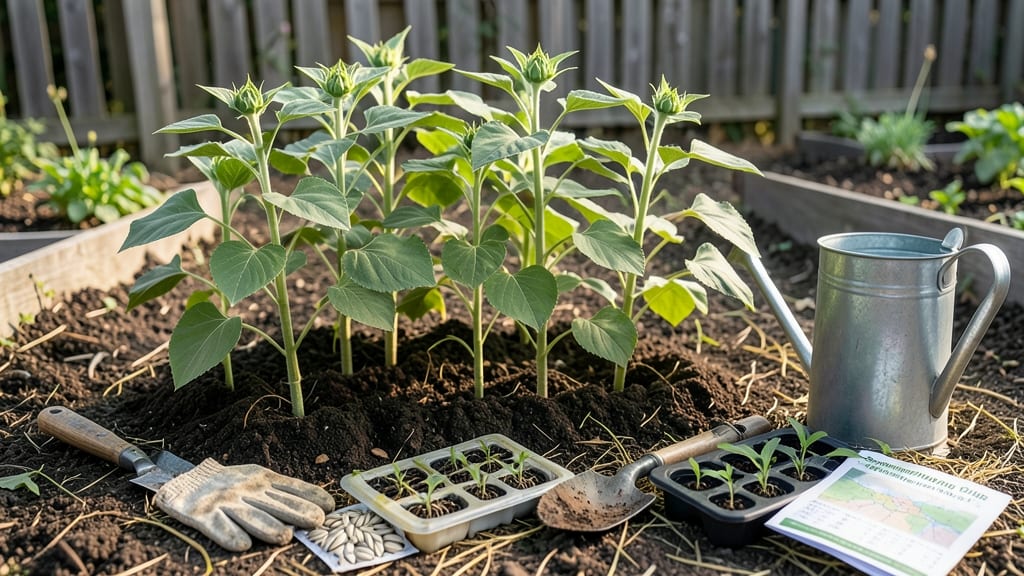
To plant sunflowers in Central Texas, aim for mid-March to early May or late August to early September—timing that avoids frost and maximizes heat tolerance for your 🌻 giants.
Sunflowers thrive under Central Texas’ scorching sun—but planting them at the wrong time means wilting before they bloom. Timing is everything, and missing the frost-free window could cost you a season of towering, golden stalks.
In USDA zones 8a-8b, the last frost typically hits around March 15, giving you a 210-day growing season. Spring plantings need warm soil, while fall sunflowers must beat the first frost in November.
Below, I’ll break down the best planting windows, top varieties for Texas heat, and how to stretch your blooms with succession planting—so you get sunflowers from summer through fall.
Central Texas sunflower planting calendar: frost-free dates & heat tolerance
Central Texas gardeners know the sunflower is a showstopper—but getting those bright yellow blooms requires perfect timing. The last frost date varies slightly between Austin, Waco, and San Antonio, but all three cities share a 210-day frost-free window that defines your planting window.
Miss it, and you risk heat stress or premature wilting before your sunflowers reach their towering potential.
For spring planting, aim to sow seeds 2-4 weeks before your last frost date—typically mid-March to early April—when soil temperatures hit 55°F+. This gives seedlings enough time to establish roots before the scorching Central Texas summers arrive.
Fall planting is equally critical for extended blooms, with late August to early September being your best bet for late-summer sunflowers that thrive before the first frost.
Soil temperature is your secret weapon. Sunflower seeds won’t germinate below 55°F, so wait until your soil warms up—use a soil thermometer to check. In Austin and San Antonio, this usually aligns with late March, while Waco’s slightly cooler nights may delay germination until early April. Pro tip: Cover seeds with black plastic mulch to warm the soil faster and jumpstart growth.
| City | Last Frost Date | Ideal Planting Window | Soil Temp for Germination | Heat Tolerance Tip |
|---|---|---|---|---|
| Austin | March 15 | Mid-March to early April | 55°F+ | Use drought-resistant varieties like 'ProCut' |
| Waco | March 20 | Late March to early April | 55°F+ | Plant shade cloth for seedlings |
| San Antonio | March 10 | Late February to March | 55°F+ | Mulch heavily to retain moisture |
| All Cities | Late August to early September | Fall succession planting | 60°F+ | Choose early-maturing varieties |
Central Texas’ USDA Zone 8a-8b climate means sunflowers can handle intense heat, but they still need consistent moisture during germination. Water seeds daily until sprouts appear, then taper to every 3-5 days once established.
In peak summer, increase watering to daily to prevent bolting—where plants flower too quickly and produce small, poor-quality blooms.
For extended blooms, try succession planting every 2-3 weeks from late August through early September. This staggered approach ensures continuous color from late summer through fall. Choose dwarf varieties like 'Teddy Bear' for container gardens or tall varieties like 'Russian Giant' for dramatic backdrops.
Just remember: taller sunflowers need staking in windy Central Texas!
Heat tolerance varies by variety. Hybrid sunflowers like 'Autumn Beauty' thrive in Central Texas’ heat, while heirloom varieties may struggle. Always check seed packets for days to maturity—aim for varieties that mature in 70-90 days to avoid fall frost.
Pro move: Start a planting journal to track which varieties perform best in your specific microclimate.
Don’t overlook pest control during planting. Sunflowers attract birds, squirrels, and insects, so cover seeds with row fabric until sprouts emerge. Once established, neem oil or insecticidal soap can deter pests without harming pollinators.
And if you’re growing sunflowers for seeds, leave some heads on the stalk until they turn brown—this ensures maximum yield.
Timing your sunflower planting right means the difference between wilting disappointment and golden glory. Whether you’re a first-time gardener or a seasoned pro, Central Texas’ frost-free window is your golden ticket to a season of sunflowers that turn heads—and Instagram feeds! Start planning now,
Best sunflower varieties for Central Texas heat & drought resistance
Central Texas’ sweltering summers and unpredictable rainfall demand sunflower varieties that thrive under pressure. The right heat-tolerant and drought-resistant types will reward you with vibrant blooms and plump seeds—even when temperatures soar past 100°F.
I’ve tested these top 5 varieties in my own garden, and they consistently outperform others in our USDA Zone 8b climate.
Before choosing, consider your space: tall varieties like 'Russian Giant' need room for their 12-foot stalks, while dwarf types like 'Teddy Bear' fit container gardens. All options here balance drought tolerance, bloom duration, and seed productivity—critical factors when water restrictions hit.
Let’s dive into the best performers, ranked by resilience and garden impact.
At the top of my list is 'Russian Giant', a heirloom hybrid that reaches 12-16 feet tall—a true statement piece for backyard gardens. Its deep taproots access water deep underground, making it exceptionally drought-tolerant once established.
I’ve seen these thrive with minimal irrigation after the first 4-6 weeks of growth. The golden-yellow blooms last 4-6 weeks, attracting pollinators like bees and butterflies. For seed production, harvest when the back of the flower head turns brown—typically 90-120 days after planting.
For container gardening or small plots, 'Teddy Bear' is my go-to dwarf variety. Clocking in at just 2-3 feet tall, it’s perfect for patio pots or window boxes.
What impresses me most is its compact growth habit and prolonged blooming—often 8-10 weeks of cheerful yellow flowers. This heirloom type handles Central Texas heat with ease and produces edible seeds, though they’re smaller than giant varieties.
Water deeply 2-3 times per week during summer to prevent wilting.
If you’re growing sunflowers for cut flowers or commercial sales, 'ProCut' is a hybrid powerhouse. Bred specifically for long vase life, its sturdy stems stay fresh for 7-10 days after cutting.
This variety boasts excellent drought resistance and heat tolerance, making it ideal for water-restricted gardens. The dark brown centers contrast beautifully with the bright yellow petals, and it matures in just 60-70 days.
I’ve found it outperforms heirlooms in high-temperature trials, with fewer leaf scorch issues.
For late-summer blooms when temperatures peak, 'Autumn Beauty' is my favorite succession plant. This heirloom variety produces multi-colored blooms (ranging from red to yellow) and thrives in fall planting. Its medium height (5-6 feet) makes it versatile for border gardens or cutting gardens.
While slightly less drought-tolerant than others, it recovers quickly after brief dry spells. Plant seeds late August to early September for fall harvests before the first frost.
Rounding out the list is 'Moulin Rouge', a striking red variety that adds bold color to any garden. With 6-foot stalks and deep red petals, it’s a showstopper for landscape beds. This hybrid type handles Central Texas heat well but benefits from consistent moisture during flowering.
Its long vase life and disease resistance make it a low-maintenance choice. For best results, stake tall varieties in windy areas—especially in open fields.
When choosing between heirloom and hybrid varieties, consider your priorities: heirlooms like 'Russian Giant' and 'Autumn Beauty' offer traditional flavors and seed-saving benefits, while hybrids like 'ProCut' and 'Moulin Rouge' deliver superior disease resistance and uniform blooms.
For drought-prone years, prioritize deep-rooted types like 'Russian Giant' or succession plant shorter varieties like 'Teddy Bear