
Plants
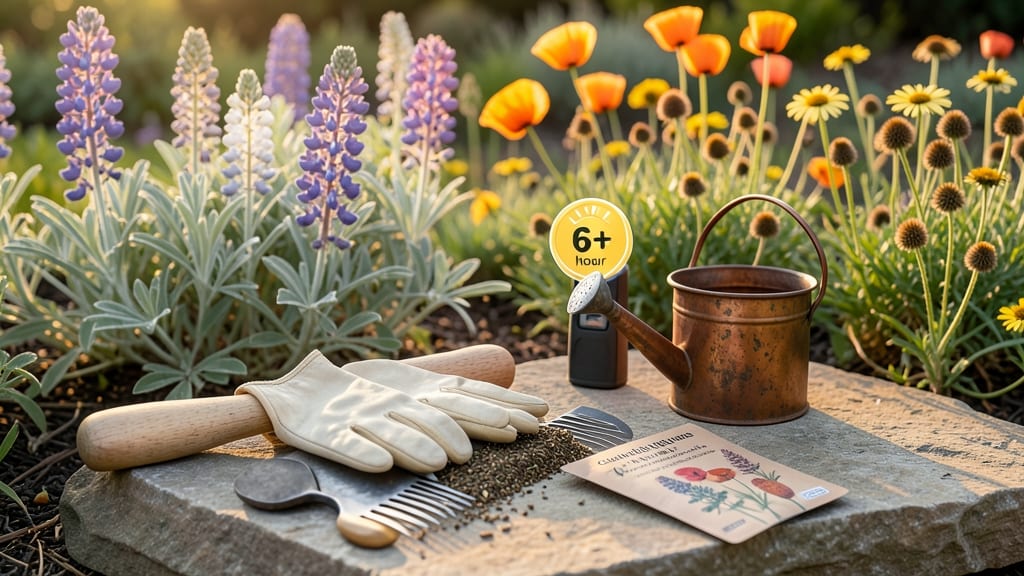
Planting wildflower seeds in California at the right time unlocks vibrant blooms year-round, but the perfect window shifts wildly from coastal fog to desert heat.
Picture this: a sun-drenched meadow in March, or a surprise burst of color in November after the first rains. California’s microclimates mean your neighbors’ timing might be all wrong for your garden—coastal gardeners plant when inland growers are still dodging frost.
Below, I break down the best months for each region, from foggy San Francisco to the Mojave, plus how to prep soil and water for maximum germination. Whether you’re sowing native perennials or quick-blooming annuals, this is how to turn your patch of earth into a wildflower oasis.
You’ll also discover why fall planting often beats spring, how drought-tolerant mixes cut your water bill, and the one trick that keeps deer from turning your meadow into a salad bar.
California wildflower planting calendar by microclimate zones
California’s microclimates create unique opportunities for wildflower enthusiasts, but planting timing varies dramatically between regions. Whether you’re in coastal fog zones, inland valleys, desert basins, or mountain slopes, understanding your local frost-free window is key to success.
Most wildflowers thrive when planted during fall or spring, but desert species often need summer rains to trigger germination.
The coastal regions (like San Francisco or Santa Barbara) enjoy mild winters with fewer than 10 frost days, allowing for extended planting from September through April. In contrast, inland valleys (Sacramento or Fresno) face colder winters with 50+ frost days, making fall planting (September–November) the safest bet.
Desert areas (like Palm Springs) can plant almost year-round, but late summer (July–August) aligns with monsoon rains.
Mountain regions (Sierra Nevada foothills) have shorter growing seasons and require early spring planting (March–April) to avoid late frosts. Native California wildflowers like California poppies and lupines often self-seed naturally, but strategic planting ensures denser, more vibrant displays.
Let’s break down the best months for each microclimate to maximize your blooms.
🌱 Pro Tip: Always check your local USDA hardiness zone (California ranges from Zone 5–11) and monitor rainfall forecasts—some wildflowers need moisture to germinate, while others thrive in drought.
For coastal gardeners, fall planting (September–November) is ideal because winter rains provide natural moisture, while spring planting (February–April) ensures blooms coincide with spring showers. Native species like California poppies and lupines often self-seed, but strategic planting in well-draining soil prevents muddy conditions.
Avoid planting during peak summer (June–August) when coastal areas experience drought stress.
In inland valleys, where temperatures swing wildly, fall planting gives seeds time to establish roots before winter. Spring planting (March–April) works too, but be prepared for late
How to choose wildflower seed varieties for extended blooming seasons
California’s wildflower varieties offer a stunning palette of colors and bloom times, but selecting the right mix ensures your garden thrives year-round. Native perennials like California poppies (Eschscholzia californica) return annually, while annuals like lupines (Lupinus) deliver instant color.
For drought-resistant options, consider Buckwheat (Eriogonum) or Goldenrod (Solidago), both thriving with minimal water.
Start by matching your microclimate to the right seeds. Coastal areas benefit from low-growing varieties like Baby Blue Eyes (Nemophila menziesii), while inland regions can handle taller California Fuchsia (Epilobium canum). Always check USDA zones—coastal Zone 9-10 and inland Zone 7-9 have different frost-free windows.
🌱 Native Perennials vs. Annual Wildflowers
Native Perennials
- Pros: Return yearly, drought-tolerant, low maintenance
- Cons: Slower to establish, limited color variety
Annual Wildflowers
- Pros: Quick blooms, vibrant colors, seasonal variety
- Cons: Must replant yearly, higher water needs
For extended blooming seasons, combine early spring bloomers like Blue Dicks (Dichelostemma capitatum) with summer favorites such as Blanket Flower (Gaillardia). Plant perennials in fall (September–November) to establish roots before winter rains, while annuals thrive when sown in spring (February–April) for summer color.
Depth matters! Most wildflower seeds need only a light covering—scatter them on top of soil or press gently into the surface. Lupines and Poppies prefer full sun (6+ hours), while Shade-tolerant varieties like Yarrow (Achillea) can handle partial shade (3–6 hours).
Always prepare soil by removing weeds and loosening the top 2 inches for optimal germination.
Drought-resistant mixes like California Goldenrod or Deer Grass (Muhlenbergia rigens) are perfect for water-wise gardens. These low-water varieties support pollinators while thriving in Zone 7–11. For coastal gardens, opt for humidity-loving species like Checkerbloom (Sidalcea), which handles foggy mornings without wilting.
Plan for succession planting by mixing early, mid, and late-season bloomers. For example, pair Blue-eyed Grass (Sisyrinchium bellum) with California Lilac (Ceanothus) for a spring-to-fall display.
Always label your mixes to track bloom times and water needs—this ensures your garden stays vibrant from March through October.