
Plants
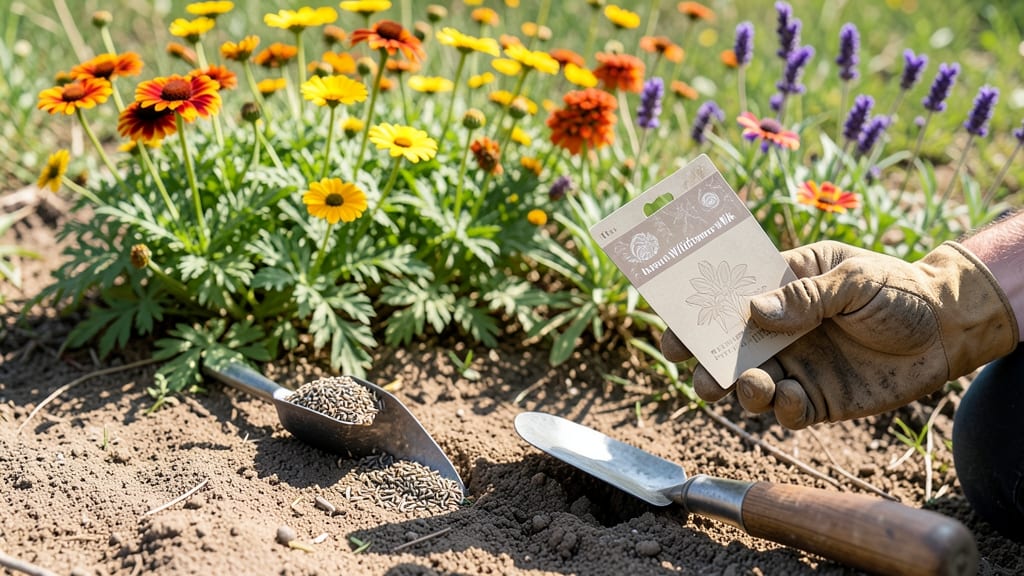
To plant wildflower seeds in Florida, aim for fall or early spring when temperatures are mild and rainfall is steady—this is the sweet spot for vibrant blooms that last all year. 🌼
Florida’s warm climate makes it a paradise for wildflowers—but planting at the wrong time can mean sparse blooms or invasive weeds. Timing is everything for vibrant meadows that thrive year-round, and regional microclimates add another layer of complexity.
North Florida’s cooler winters (Zone 8a) mean you can plant as early as January, while South Florida’s frost-free zones (10a-11) allow year-round sowing. The key? Avoid peak summer heat, which can stress young seedlings, and align planting with natural rainfall patterns for the best germination rates.
Below, I break down the best months by region, soil prep tips, and the top native wildflower mixes to ensure your garden bursts with color from spring to fall—without the guesswork.
Florida wildflower planting calendar by region: best months for each climate zone
Florida’s diverse climate zones mean your planting timeline should match your region. North Florida’s cooler winters and South Florida’s frost-free growing season create distinct windows for optimal wildflower germination.
Even Central Florida’s transitional zone has nuanced timing to avoid summer heat stress. Let’s break down the best months for each region to ensure your wildflowers thrive.
For North Florida (USDA Zones 8a-9a), the ideal planting window spans from late February through April and again in September to October.
This avoids the occasional frost risk in January and ensures seeds germinate before summer’s intense heat. Central Florida (Zones 9a-9b) can plant year-round, but spring (March-May) and fall (September-November) yield the best results.
In South Florida (Zones 10a-11), you can sow wildflower seeds anytime except December to February when humidity drops. The rainy season (May-October) provides natural moisture, reducing irrigation needs. However, summer planting (June-August) requires extra shade to protect tender seedlings from relentless sun.
Native wildflowers like Black-Eyed Susan (Rudbeckia hirta) and Coreopsis (Coreopsis spp.) thrive when planted in cool-season windows, while Blanket Flower (Gaillardia pulchella) handles South Florida’s heat better if sown in early spring or late summer. Understanding these regional differences ensures your meadow blooms vibrantly year-round.
🌱
| Region | USDA Zone | Best Planting Months | Key Considerations | Top Wildflowers |
|---|---|---|---|---|
| North Florida | 8a-9a | Feb-Apr, Sep-Oct | Avoid frost; light mulch | Black-Eyed Susan, Coreopsis |
| Central Florida | 9a-9b | Mar-May, Sep-Nov | Year-round possible; shade in summer | Blanket Flower, Purple Coneflower |
| South Florida | 10a-11 | Jan-Nov (avoid Dec-Feb) | Rainy season helps germination | Firewheel, Beach Sunflower |
In North Florida, the cool, dry spring (March-May) is perfect for sowing seeds like Coreopsis and Blanket Flower.
These species germinate quickly in 55-65°F soil and establish roots before summer’s heat peaks. Fall planting (September-October) gives seedlings time to develop before winter’s mild chill, ensuring robust growth by spring.
For Central Florida, the transition between seasons matters most. Plant in early spring (March-April) to capitalize on consistent rainfall and warm soil temperatures. Late summer (August-September) is another sweet spot, as hurricane season’s humidity keeps seeds moist without overwatering.
Avoid planting in peak summer (June-July) unless you’re prepared to provide shade cloth.
South Florida gardeners enjoy the most flexibility, but timing still matters. Early spring (February-March) and late summer (August-September) are ideal for drought-tolerant species like Firewheel (Gaillardia pulchella). These months offer balanced humidity and sunlight, reducing the risk of seed rot or heat stress.
If you’re planting in summer (June-July), water deeply every 2-3 days and use 30% shade cloth to protect seedlings.
Pro tip: Scratch the soil surface lightly with a rake or hoe before planting to improve seed-to-soil contact. This simple step boosts germination rates by 30-40% across all Florida regions. Avoid heavy mulching until after germination to prevent mold growth in humid conditions.
🌿
Remember, native wildflowers are the easiest to grow in Florida. They’ve evolved to thrive in local conditions, requiring less water and fertilizer than non-native varieties. For example, Purple Coneflower (Echinacea purpurea) in North Florida and Beach Sunflower (Helianthus debilis) in South Florida both demand minimal care once established.
Start with these hardy species to build a low-maintenance meadow.
Finally, monitor rainfall patterns in your area. Florida’s wet and dry seasons can shift planting windows by 2-4 weeks. For instance, if your region experiences early summer rains, you might extend your spring planting window into early June. Always check local weather forecasts and adjust your timeline accordingly.
☀️
How to prepare your Florida soil and site for wildflower success
Florida’s sandy, nutrient-poor soils and humid climate can challenge wildflower growth, but with the right prep, your meadow will thrive. Start by testing your soil pH—most native wildflowers prefer a slightly acidic to neutral range (6.0-7.0).
If your soil is too alkaline, amend it with peat moss or sulfur to create ideal conditions for germination.
Next, clear the area of weeds and debris, focusing on competitive grasses that can smother young seedlings. A quick pass with a broadfork or rototiller loosens the top 2-3 inches of soil, improving seed-to-soil contact. Avoid tilling too deep, as wildflower roots are typically shallow and prefer loose, aerated soil.
- Test soil pH (aim for 6.0-7.0) and amend if needed with compost or peat moss.
- Clear weeds and loosen soil to 2-3 inches deep using a broadfork.
- Optimize sunlight—wildflowers need 6+ hours of sun daily; avoid shaded areas.
- Supplement nutrients lightly with low-nitrogen fertilizer (5-10-10) before planting.
- Mulch lightly with straw or pine needles to retain moisture without smothering seeds.
Sunlight is critical for wildflower success—most varieties need full sun (6+ hours daily). Scout your site for shady spots caused by trees or structures, as these areas will limit blooms.
If partial shade is unavoidable, choose shade-tolerant species like Coreopsis or Black-Eyed Susan, which handle 3-4 hours of sun better than others.
After clearing and loosening, add a thin layer of compost (1-2 inches) to boost organic matter without compacting the soil. Florida’s sandy soils drain quickly, so retain moisture by applying a light mulch of straw or pine needles—this also suppresses weeds.
Avoid thick mulch, which can block sunlight and trap too much heat.
Watering schedules vary by Florida’s wet/dry seasons. During spring and fall (peak planting times), water lightly every 2-3 days to keep soil moist but not soggy.
Once established, wildflowers are drought-tolerant, so reduce watering to weekly deep soaks in summer. Always water in the early morning to prevent fungal issues.
Finally, consider companion planting with native grasses like muhly grass or switchgrass to stabilize soil and attract pollinators. These grasses compete with weeds while providing structure to your wildflower meadow. Group similar-height plants together for a natural, layered look that thrives in Florida’s variable rainfall.