
How To
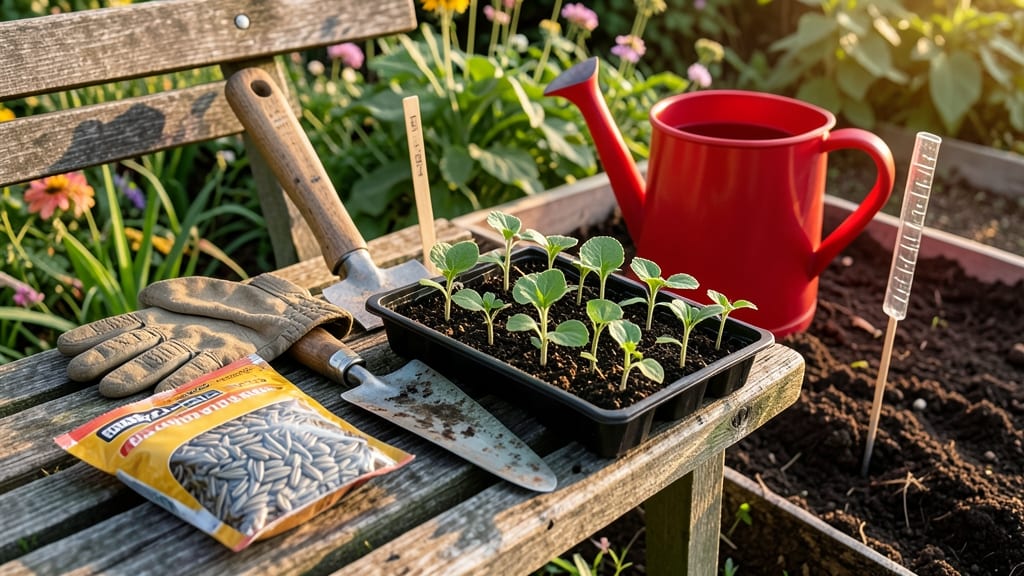
To sow sunflowers at the perfect time means the difference between 18-foot giants and sad, stunted plants 🌻 — and it all starts with your local frost dates and soil temperature.
Picture this: You’ve just planted your seeds in early April, only for a late frost to nip them in the bud. Or worse, you wait until June, and your sunflowers bolt to seed before they even get tall.
Timing is everything, and the right window keeps your sunflowers thriving from April through May in most of the U.S.
But here’s the catch: Your exact planting window depends on your USDA zone, soil warmth, and even whether you’re growing in containers or the ground.
In Zone 6a, for example, waiting until after the last frost (usually mid-April) ensures your seeds germinate quickly in soil that’s at least 50°F.
Below, I’ll break down the ideal sowing times by region, how to adjust for your microclimate, and the three mistakes that kill sunflower dreams before they even sprout.
USDA Zone-specific sunflower sowing times for optimal growth
Timing your sunflower seeds correctly ensures towering blooms and robust stems, but frost dates and soil temperatures vary wildly across USDA zones. In Zone 3-5, where winters are harsh, aim for late May after the last frost when soil hits 50°F+.
Meanwhile, Zone 7-11 gardeners can start as early as March in milder climates, giving plants a head start before summer heat arrives.
Sunflowers thrive when sown into warm soil, ideally between 55°F-75°F. In cool coastal zones (8-10), wait until April to avoid root rot from lingering dampness. For high-altitude gardens (6-7), consider staggered sowing in June for fall blooms, as summer days are short.
Always check your local frost-free date—this is your golden window!
Here’s your zone-by-zone sowing schedule, accounting for soil warmth, frost risk, and regional quirks:
| USDA Zone | Early Sowing (Risky) | Ideal Window | Late Sowing (Backup) | Soil Temp Threshold | Notes |
|---|---|---|---|---|---|
| 3-5 | Late May | June 1-15 | July 1 (short season) | 50°F+ | Use black plastic mulch to warm soil faster. |
| 6-7 | April 15 | May 1-30 | June 15 (fall blooms) | 55°F+ | Stagger plantings for extended blooms. |
| 8-9 | March 1 | April 15-May 15 | June 1 (tropical zones) | 60°F+ | Watch for powdery mildew in humidity. |
| 10-11 | January 15 | February-March | April 1 (year-round growth) | 65°F+ | Grow as annuals or perennials in mild winters. |
In Zones 3-5, where frost lingers late, I’ve learned to pre-warm seeds by soaking them in lukewarm water for 24 hours before sowing. This trick shaves off 3-5 days of germination time in cool soils.
For Zones 8-11, prioritize shade cloth during peak summer to prevent bolting—sunflowers flower faster in heat, often skipping the seed stage entirely.
Pro tip: Use a soil thermometer to confirm readiness—sunflowers won’t sprout below 50°F. In Zone 6, I’ve had disastrous failures when sowing in April because nighttime temps dipped below 45°F. Always check your 7-day forecast for frost warnings before committing to early plantings.
For container growing, adjust timelines by 2-3 weeks earlier since pots warm faster than ground soil. Fill containers with heat-absorbing materials like black fabric or gravel to mimic Zone 8+ conditions even in cooler areas. This is especially useful for balcony gardens in Zones 4-5.
Don’t overlook late-season sunflowers! In Zones 5-7, sow a second crop in early July for fall blooms. These short-day varieties (like ‘Autumn Beauty’) thrive with longer nights and often produce larger seed heads than spring plantings. Just ensure they’re in full sun until first frost.
Remember: Sunflowers hate competition. Thin seedlings to 12-18 inches apart to avoid crowded stems and pest magnets. In Zones 9-11, where germination happens fast, I pre-sprout seeds in peat pots to give them a head start against weeds and fungal diseases.
Finally, track your sunflowers’ progress with a garden journal. Note when first blooms appear and seed maturity occurs—this helps you refine next year’s timing. In Zone 4, I’ve seen 10-foot sunflowers bolt to 12 feet in just 60 days when sown at the perfect window!
How to adjust sunflower planting for your local microclimate
Your local microclimate can drastically alter the ideal sunflower planting window. Urban heat islands may push back frost dates by 2-3 weeks, while coastal winds or high-altitude gardens demand earlier starts.
Understanding these factors lets you fine-tune your timing for stronger stems and bigger blooms, even in challenging conditions.
For urban gardens, check your local weather station's frost-free date—it's often 10-14 days later than rural areas. The extra heat means you can safely plant 2 weeks earlier than standard zone guidelines.
Meanwhile, coastal gardeners should wait until soil reaches 55°F (not 50°F) to avoid cold wind damage to young seedlings.
⚠️ callout warning
Planting sunflowers too early risks frost damage to young seedlings, while delaying too long cuts bloom time. Use a soil thermometer—seeds need 50-55°F soil to germinate reliably. In high-altitude areas, wait until 60°F soil to prevent slow growth.
Pro Tip: Coastal gardeners should plant 1-2 weeks later than inland zones to avoid windburn on tender sprouts.
High-altitude gardens face shorter growing seasons and cooler soils. Aim to plant 3-4 weeks earlier than your zone's average date, but use black plastic mulch to warm the soil 5-10°F faster.
For containers, choose dwarf varieties like 'Teddy Bear' and start seeds 4-6 weeks before your last frost date—pots heat up faster than garden soil.
Extend your sunflower season with companion planting. Pair them with bush beans or marigolds to improve soil warmth and deter pests. In urban heat islands, provide afternoon shade with fast-growing vining plants like cucumbers to prevent heat stress on young plants.
Monitor your microclimate's wind patterns—coastal areas need windbreaks (like bamboo fencing) to protect tall sunflower stems. In container gardens, use larger pots (12"+ diameter) to stabilize roots and prevent toppling.
Adjust watering too: coastal plants need more frequent watering due to salt spray, while high-altitude sunflowers may need less due to drier air.
For second-season blooms, try a late summer planting (after August 15 in most zones). Choose fast-maturing varieties like 'Autumn Beauty' and use row covers to extend the season by 2-3 weeks.
In urban microclimates, this often works until September 15—just be ready to harvest seeds before frost.