
How To
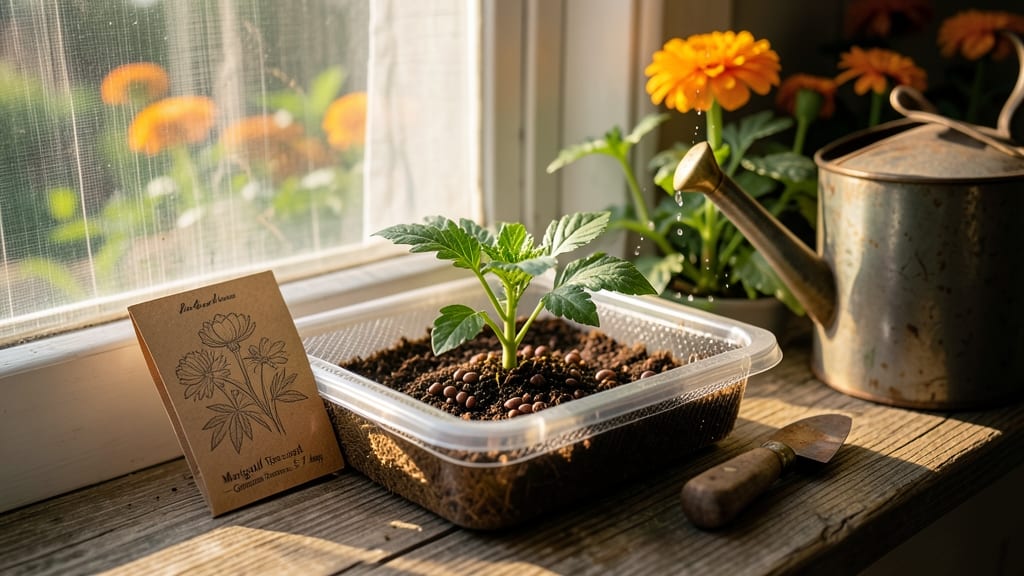
Growing flower seeds from scratch takes anywhere from 3 weeks to 6 months, depending on the variety and your growing conditions.
Ever stared at a seed tray, willing those tiny specks to crack open? The truth is, some flowers like zinnias or marigolds pop up in just 7–14 days, while perennials like lavender can take 3–6 months to reach their first bloom.
Knowing the timeline helps you plan your garden’s beauty schedule without frustration.
Fast growers like cosmos or sunflowers often bloom in 6–12 weeks, making them perfect for quick color. Meanwhile, slower varieties need patience—think peonies or delphiniums, which may not reward you until their second year.
The key is understanding how soil warmth, sunlight, and moisture speed up (or slow down) germination.
Below, I break down exact days by flower type, plus the 3 critical factors that can cut weeks off your wait time. No more guessing—just science-backed timelines to help your seeds grow into the garden you’ve been dreaming of.


Flower seed germination and growth timeline by fastest-blooming varieties
If you're eager to see vibrant blooms in your garden, some annual flowers deliver stunning results in as little as 4-8 weeks from seed. The fastest-growing varieties like marigolds and cosmos are perfect for impatient gardeners craving quick color.
Understanding their exact growth timelines helps you plan succession plantings for continuous blooms all season.
The germination phase is where the magic begins—most fast-blooming seeds sprout within 5-14 days under ideal conditions. After that, the seedling stage (2-4 weeks) and vegetative growth (2-6 weeks) determine how quickly your flowers reach their full bloom potential.
Let’s break down the timelines for the top quickest-growing annuals you can grow from seed.
🌱 Pro Tip: For fastest results, start seeds indoors 4-6 weeks before your last frost date, then transplant seedlings outdoors. This gives them a head start on the growing season, shaving critical days off their bloom time.
| Variety | Germination Time | Seedling Stage | Days to Bloom | Notes |
|---|---|---|---|---|
| Zinnias | 5-10 days | 10-14 days | 45-60 days | Dwarf varieties bloom in 40 days; deadhead for continuous flowers. |
| Cosmos | 7-14 days | 14-21 days | 50-60 days | Self-seeds easily; thrives in poor soil. |
| Marigolds | 3-7 days | 7-14 days | 40-50 days | Fastest bloomer; repels pests naturally. |
| Sunflowers | 7-14 days | 14-21 days | 60-80 days | Dwarf varieties bloom in 50 days. |
| Nasturtiums | 5-10 days | 10-14 days | 45-55 days | Edible flowers; thrives in partial shade. |
| Bachelor's Buttons | 7-14 days | 14-21 days | 50-60 days | Long-lasting blooms; great for cut flowers. |
Marigolds top the list as the fastest-blooming annual, with some varieties like 'French Marigold' producing flowers in just 40 days from seed. Their quick germination (as little as 3 days) makes them ideal for early spring plantings or fall gardens.
If you’re aiming for a colorful summer display, start marigold seeds indoors in early spring or directly sow outdoors after the last frost.
Zinnias are another crowd-pleaser, especially dwarf varieties like 'Thumbelina,' which can bloom in 45 days. These cheerful flowers thrive in full sun and well-draining soil. To encourage continuous blooms, pinch back the first flowers to redirect energy to new growth.
This simple trick can extend your zinnias' flowering season by 3-4 weeks.
Cosmos are the low-maintenance champions of fast-growing flowers. Their self-seeding habit means they often return year after year in mild climates. Plant cosmos seeds directly in the garden after the soil warms up—no need for indoor starting.
They tolerate drought conditions once established, making them perfect for xeric gardens or areas with
Perennial and slow-growing flowers: months-long wait times explained
If you’ve ever planted peony seeds or lavender cuttings and wondered why they take so long to bloom, you’re not alone. Unlike fast-growing annuals, perennial flowers often require 60–180+ days to reach their first bloom—sometimes even longer.
These plants prioritize root and foliage development before producing flowers, which is why patience (and the right care) is key.
The secret to faster blooms lies in understanding their natural growth cycles. Many perennials, like delphiniums or hollyhocks, store energy underground during their first year, only to burst into color in their second or third year.
Others, such as black-eyed Susans, may take 90–120 days from seed to bloom, but they’ll reward you with years of low-maintenance beauty.
Here’s the breakdown of what to expect—and how to speed up the process without sacrificing long-term health.
- 🌱 60–90 days: Black-eyed Susans and coneflowers (first-year blooms possible but sparse).
- 🌿 90–120 days: Lavender and salvia (often need full sun and well-draining soil to germinate faster).
- 🌺 120–180+ days: Peonies and delphiniums (may not bloom until their second year).
- ⏳ Multi-year plants: Hostas and daylilies focus on root growth first, delaying blooms until year 2–3.
- ☀️ Accelerate growth: Use warm soil (70–80°F) and consistent moisture to cut 2–4 weeks off timelines.
Timing your planting window is critical. For cool-season perennials like lavender or Russian sage, sow seeds 4–6 weeks before your last frost in early spring. Warm-season varieties, such as dahlias, need to go in after soil warms to 60°F—usually late spring or early summer in most zones.
To boost growth speed, focus on three key factors: soil warmth, sunlight exposure, and nutrient-rich soil. For example, delphiniums thrive in full sun and loamy soil with added phosphorus.
A balanced fertilizer (like 5-10-10) applied at planting can jumpstart root development, while mulching retains moisture and regulates soil temperature.
Remember, the longer wait for perennials pays off with years of blooms and low-maintenance care. With the right approach, you can shave weeks off their timeline—without compromising their hardiness or beauty.
Start with the right variety for your climate, and soon, your garden will be bursting with color, season after season.