
Flowers
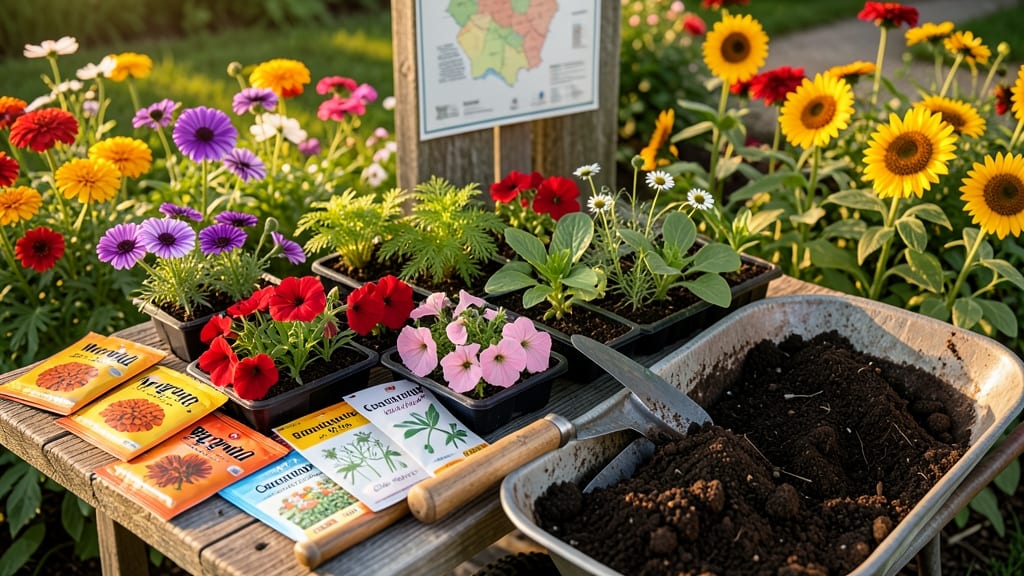
To plant flower seeds in Missouri, aim for March 15 through May 15 in spring or August 1 to September 15 in fall—timing that aligns with USDA Zones 5b-6b and avoids frost damage.
Missouri’s unpredictable spring weather can leave gardeners guessing—plant flower seeds too early, and frost will kill your blooms; too late, and you’ll miss the full growing season. Timing is everything for vibrant summer flowers in these zones.
Most annuals like marigolds and zinnias thrive when soil temperatures hit 60°F, while hardy perennials such as black-eyed Susans can handle cooler starts. Local frost charts from the Missouri Botanical Garden help pinpoint your exact window.
Below, I’ll break down the best flower seeds for Missouri’s climate, how to adjust for late frosts, and seasonal planting hacks to keep your garden bursting with 🌸 color all year.
Missouri flower seed planting timeline by month for zones 5-6
Missouri’s USDA Zones 5-6 offer a 165-day growing season, but timing your flower seed planting correctly ensures vibrant blooms from spring to fall. The last frost typically arrives around April 15 in most regions, while the first frost hits by October 15.
St. Louis, Kansas City, and Columbia each have slight variations—plan accordingly to avoid frost damage or missed blooms.
Cold-hardy annuals like pansies and snapdragons can handle early spring planting, while heat-loving zinnias and marigolds thrive when sown after the last frost. Tender perennials like black-eyed Susans and coneflowers benefit from early starts indoors or direct sowing in late spring.
Below is your month-by-month planting guide, tailored to Missouri’s climate.
| Month | Cold-Hardy Annuals | Tender Perennials | Heat-Loving Annuals | Notes |
|---|---|---|---|---|
| March | Pansies, Snapdragons, Sweet Alyssum | Start indoors: Coneflowers, Black-Eyed Susans | — | Use row covers for frost protection |
| April | Calendula, Larkspur, Stock | Direct sow: Bearded Iris, Daylilies | Marigolds (after last frost) | Monitor frost forecasts; wait until soil is 60°F+ |
| May | Cosmos, Zinnias (late May) | Transplant perennials outdoors | Sunflowers, Nasturtiums | Ideal for succession planting |
| June | — | — | Petunias, Vinca (for summer color) | Focus on deadheading for longer blooms |
| August | Alyssum, Sweet Peas (fall varieties) | — | Cosmos, Marigolds (late bloomers) | Prepare for fall color; sow 8-10 weeks before first frost |
| September | Pansies, Snapdragons (fall varieties) | — | Calendula, Stock | Extend season with row covers |
For St. Louis gardeners, aim to plant cold-hardy annuals by March 15 and transition to heat-loving varieties after April 20.
In Kansas City, where nights stay cooler, delay heat-loving seeds until May 1. Columbia’s slightly warmer microclimate allows for earlier planting—start marigolds by April 10 and zinnias by April 25.
Always check local frost forecasts before planting tender perennials like coneflowers. These native Missouri plants thrive with early starts but can bolt if exposed to sudden cold snaps. Use row covers or cold frames to extend their growing season
How to adjust planting times for Missouri’s microclimates and frost risks
Missouri’s varied landscapes—from the Ozarks to the Bootheel—create microclimates that can shift last frost dates by weeks. Northern regions like St. Louis often experience frost until April 15, while southern areas near Poplar Bluff may be frost-free by March 20.
These differences mean your flower seeds planted in one county might fail in another.
Even with accurate frost dates, April freezes remain a notorious Missouri gardening hazard. I’ve seen tender annuals like marigolds and zinnias wiped out overnight after seemingly safe planting. The key is flexible timing—using tools like row covers or cold frames to extend seasons while avoiding common pitfalls.
⚠️ Missouri-Specific Frost Trap Alert!
Low-lying areas and valleys in Missouri hold cold air longer, creating frost traps that can kill seedlings even when nearby hills are safe. Never plant frost-sensitive seeds (like petunias or cosmos) in these spots before May 1, even if your average last frost is earlier.
Solution: Plant these areas last or use black plastic mulch to warm soil faster.
For fall planting, focus on late-blooming varieties like black-eyed Susans or asters, which thrive when seeded in August. These perennials handle early October frosts better than delicate annuals.
I’ve had success with coneflower seeds planted as late as September 15—they establish roots before winter and burst into color the following spring.
Local frost forecasts from the National Weather Service or Missouri Botanical Garden are your best tools. Check their 10-day outlooks before planting heat-loving flowers like sunflowers or snapdragons. If a 32°F night is predicted within 7 days, delay planting or protect seedlings with frost cloth.
Extend your growing season with cold frames or mini greenhouses for early spring starts. I’ve used them to start pansies in February—they bloom by April when outdoor conditions are still risky.
For row covers, opt for floating fabric that lets sunlight through while trapping warmth. Remove covers during the day in May to harden off plants.
Finally, native Missouri flowers like butterfly weed or wild bergamot are your safest bets—they’re adapted to our unpredictable climate. These perennials tolerate late frosts and drought, making them ideal for low-maintenance gardeners.
Pair them with annuals like cosmos, which self-seed reliably even if you miss the perfect planting window.